


Stuart Scuba · Equipment Guide · Stuart, Florida
How to Choose a Scuba Mask
How does a scuba mask work? The soft skirt seals an air pocket in front of your eyes so you can see clearly underwater. The nose pocket lets you gently breathe a little air into the mask to equalize it as you descend.
Start with a seal that holds with a relaxed face and a nose pocket you can actually reach. Then compare field of view, coatings and prescription options. A big price tag won’t fix a skirt that leaks when you smile.
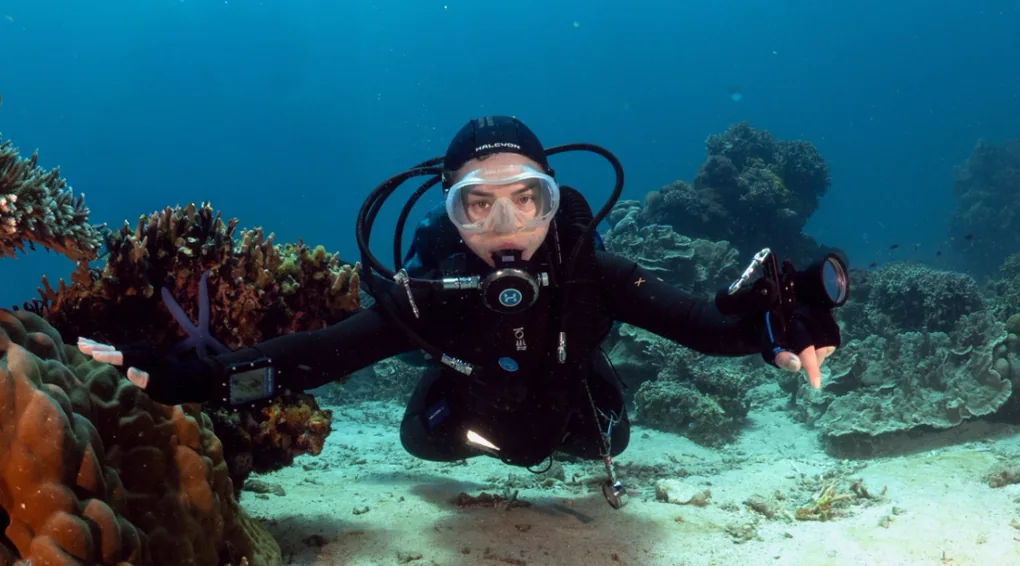
The five-minute dive shop fit test
- Start without the strap. Keep hair off your forehead and place the mask lightly on your face. A gentle inhale through your nose should hold it in place briefly. If it takes a big sniff or two hands to hold the skirt down, try a different shape.
- Check the seal all the way around. Feel for gaps at the temples and beside your nose. The lower skirt should sit on skin rather than on your upper lip. Make sure the frame doesn’t press hard on the bridge of your nose or your brow.
- Try it the way you dive. Put the strap on with light tension. If the shop can supply a clean fitting mouthpiece, try it with that in and your jaw relaxed. Turn your head, change expression a little and see whether the seal lifts. If you dive hooded or gloved, bring both.
- Check for nose access and useful vision. Can you pinch your nose without forcing the mask aside? Can you look down at a computer, glance toward your buddy and look up comfortably?
- Give it time. Leave the mask on for a few minutes. A fit test on land helps narrow your choices; an appropriate shallow-water practice session, within your training, is a better check before a boat trip.
Which mask style is right for you?
| Feature | What changes | What to try at the shop |
|---|---|---|
| Single lens | One continuous window, without a center divider in your sightline. | Look down and sideways and make sure the lens or frame doesn’t touch your nose. |
| Two lenses | A center bridge separates the windows. Some models accept replaceable optical lenses. | Check the exact model and left/right lens options. Two windows don’t guarantee compatibility. |
| Framed vs. frameless | Framed masks use a separate lens frame. Frameless models bond the skirt to the lens and can often pack flatter. | Compare skirt shape, buckle feel and parts support. Neither style automatically fits better. |
| Low internal volume | Less air space to equalize and less water to clear. Especially attractive for freediving and compact backup kits. | Make sure the lens clears your lashes and the nose pocket has enough room for you. |
| Clear vs. dark skirt | Clear silicone lets in side light; dark silicone blocks it. That can matter when you’re looking at a camera screen. | Try both in bright light and somewhere shaded. Pick the view you’ll actually enjoy. |
| Clear, tinted or coated lens | Lens options change the look of your view and can affect how comfortably you see certain displays. | Bring your computer or camera. Test its screen in the shop and avoid harsh treatment on coated lenses. |
Choose for the dives you actually do
First certification or reef dives
Prioritize a comfortable skirt, easy nose access and an unobstructed view of your instructor and gauges. A simple model you enjoy wearing beats a premium one that stays in the gear bag.
Find your scuba courseFreediving or an easy-to-pack spare
Try a compact, low-volume mask without sacrificing nose room. If the spare is for scuba, check that you can deploy it from a secure, accessible pocket and practice swapping it in a controlled setting.
Underwater photo and video
Compare clear and dark skirts with your own screen. A dark skirt may reduce distractions from side light, but check how easily you can look from your subject to your camera and back to your buddy.
Explore underwater video trainingCorrective lenses
Tell us what’s blurry: the reef, your gauge, or both. A mask with drop-in lenses may help some divers; custom optics or a near-vision segment can be better for others.
Compare prescription mask optionsCompare ten mask brands at Stuart Scuba
Here are examples to talk through at the fitting bench. Colors, sizes, lens options and availability can vary; ask us to confirm your exact model or reserve it for pickup.
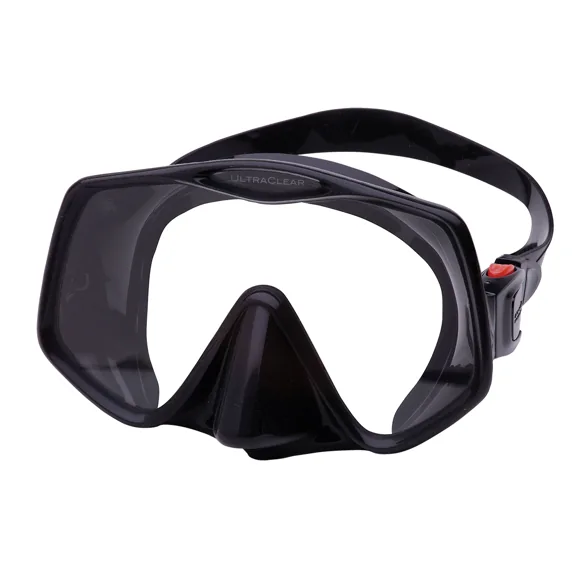
Atomic Aquatics
Frameless 2
A single window and a soft sealing edge. Its Medium, Standard and Large versions give you a useful side-by-side fit test without changing the basic lens design.
Ask about Atomic Aquatics masks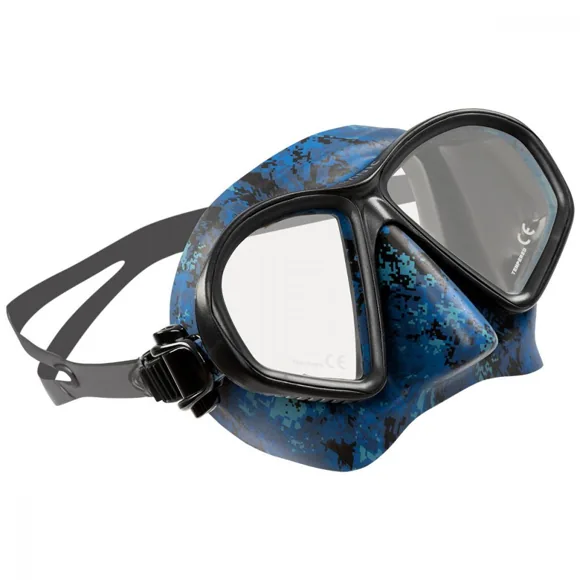
Oceanic
Predator
This low-volume, tinted-lens fit is aimed at freediving. If you prefer a compact frameless option for scuba, also ask about the Mini Shadow. Compare nose access and screen readability in person.
View Oceanic Predator listing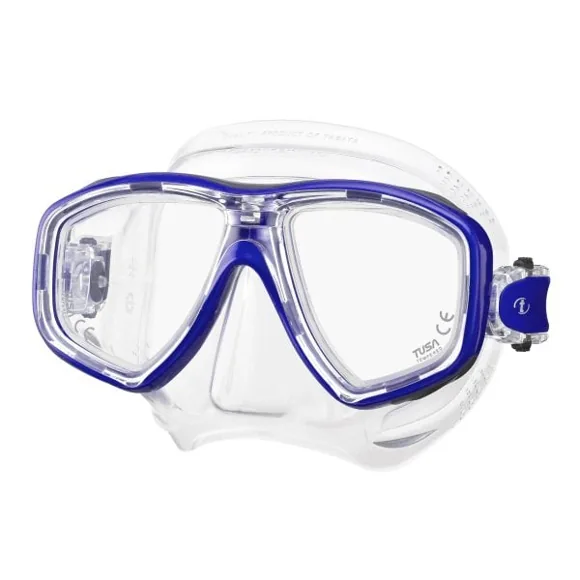
TUSA
Freedom Ceos M-212
A low-volume two-window design. Compare it with the compatible corrective-lens options if you wear glasses, and check nose access before deciding.
Ask about TUSA masks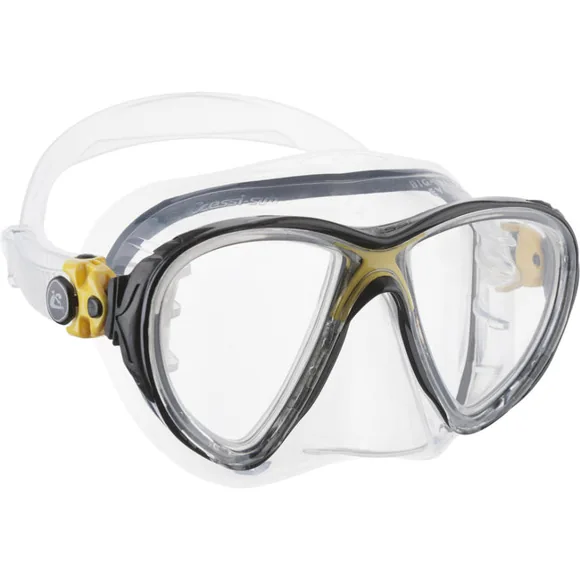
Cressi
Big Eyes Evolution
Its tilted lenses are aimed at improving the downward view. Try reading a computer and locating a clip near your waist without tipping your whole head.
Ask about Cressi masks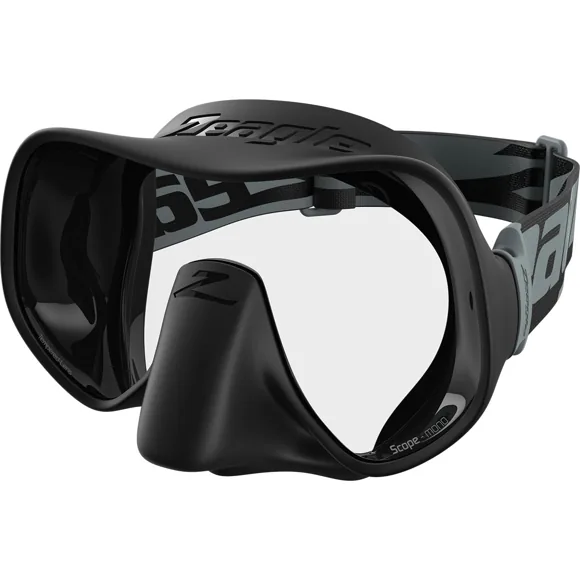
Zeagle
Scope Mono
A frameless single lens with an elastic strap and a roomy nose pocket. Compare the Scope Dual if you prefer a two-window layout.
View catalog listing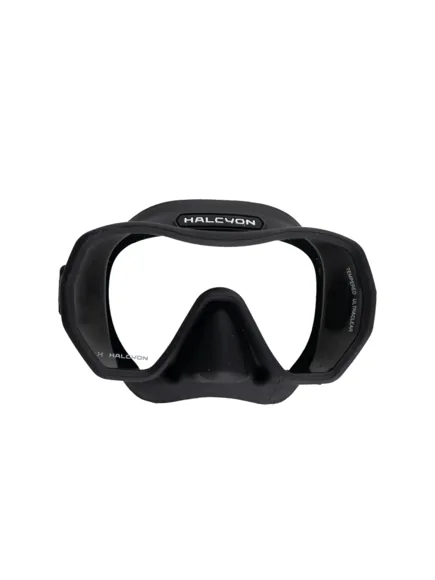
Halcyon
Omnis
Three sizes give you another option when a one-size mask misses the mark. Compare its shape and clip-in strap setup. Ask about the exact mask and mount if you use a compatible head-up display.
Ask about Halcyon masks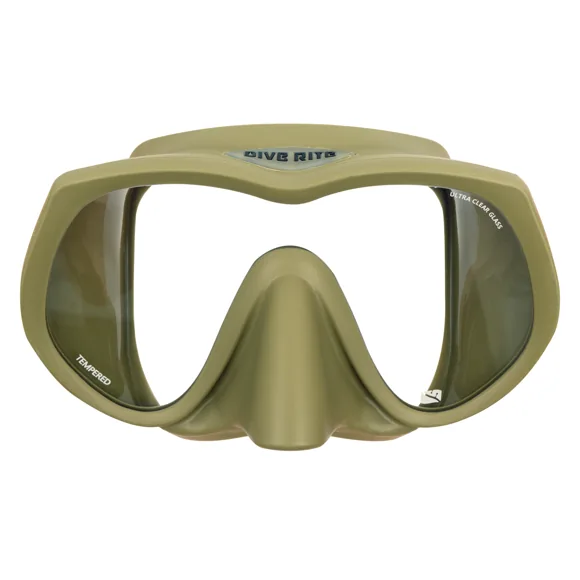
Dive Rite
ES155
A matte silicone frameless mask with a single tempered-glass lens. Try it with your hood if you plan to wear one; make sure you can reach the nose pocket.
Ask about Dive Rite masks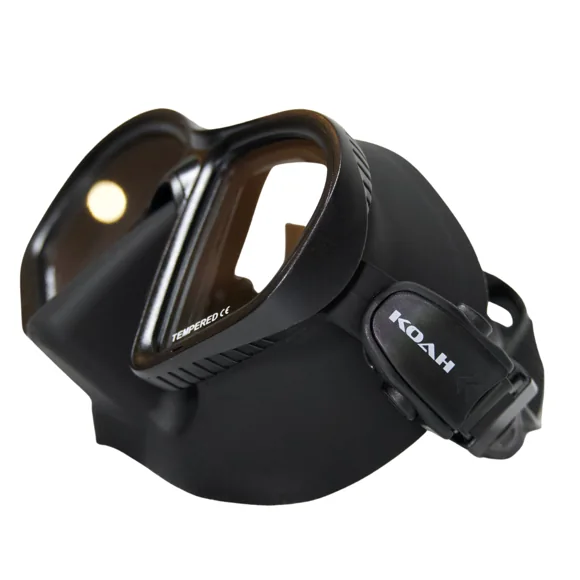
Koah
Framed Dive Mask
Compare Koah’s framed and frameless fits. The framed version has two lenses and a hard case. Check upper-lip seal and nose room before you choose.
Ask about Koah masks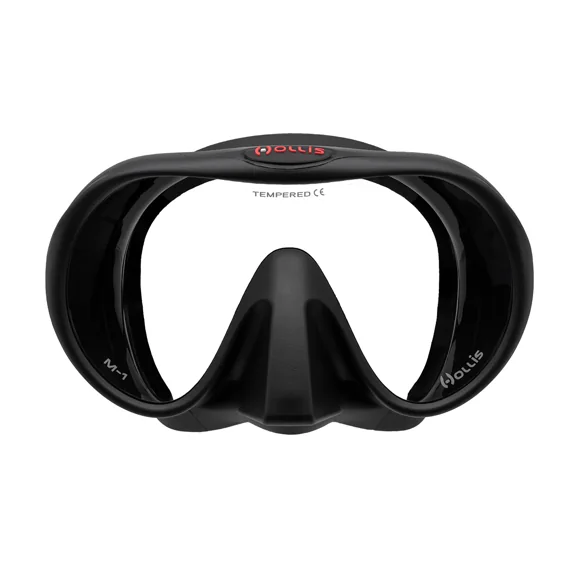
Hollis
M1
A frameless single-lens design with low-iron glass. Compare the clear M1 variant or the low-profile M4 if the skirt or field of view feels different on your face.
View catalog listing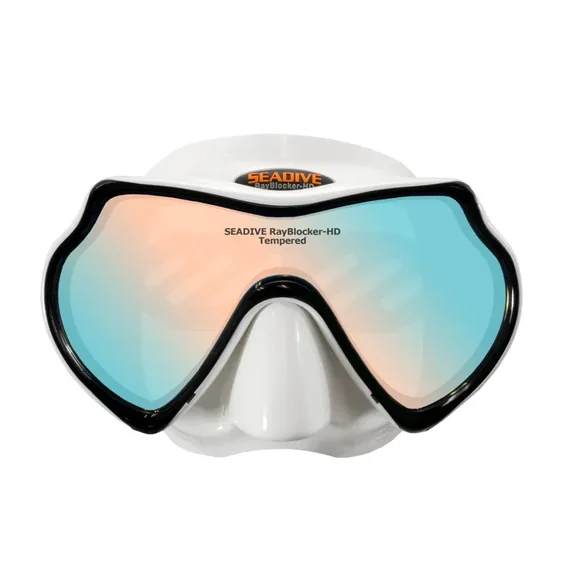
SeaDive
Eagleye RayBlocker HD
A coated-lens option. Compare it with clear glass and bring your computer or camera so you can check screen legibility from your usual viewing angle.
Ask about SeaDive masksSpend where it changes the dive
Start simple
For a first mask, spend on a stable seal and unobstructed nose access. A dependable skirt, clear view and reachable buckles matter more than a long feature list.
Upgrade for a reason
Move up if a different skirt shape actually fits, if you need replaceable prescription lenses, or if low-light visibility and screen readability improve in a side-by-side test.
Plan for wear and travel
Check replacement strap and buckle availability. Ask whether the warranty covers manufacturing defects on your exact model, and keep your receipt. If your main mask uses prescription lenses, a usable backup is worth planning for.
Before you head out
Read the instructions for your exact lens. Use only a cleaner or defogger the maker approves for that finish. Rinse in fresh water, dry out of direct sun and keep your mask in a case so the skirt doesn’t get folded under the rest of your kit. If it leaks or fogs, work out what’s happening before you buy a new one.
Fix a leaky or foggy scuba maskFrequently asked questions
What’s the most important thing to look for?
A comfortable seal that holds with a light strap, including when your mouthpiece changes the shape of your face. Next, check nose access and your field of view.
Does a higher price guarantee a drier mask?
No. Consider paying more if you gain a better fit, the exact optics you need or a strap you can use easily.
Can I dive in swimming goggles or a full-face snorkel mask?
Swimming goggles don’t enclose your nose for mask equalization. A surface snorkeling mask isn’t scuba equipment. A purpose-built scuba full-face mask is a separate equipment system with specific training.
What if I have a mustache or beard?
Bring it with you. Try different skirt shapes and see where the lower seal sits with a mouthpiece in. A crank-tight strap can make the problem worse.
Should I buy a backup?
A properly fitted spare is useful, especially on travel days. Secure it somewhere accessible and practice exchanging masks under appropriate supervision before you need it.
Do all two-window masks accept prescription lenses?
No. Check the exact model, available powers and how the lenses are installed before buying.
Can I get sized in Stuart?
Yes. Bring any hood, glasses prescription, computer or old leaky mask that will help us narrow it down. Contact Stuart Scuba to check what’s on hand.




