First stage
The part that attaches to the cylinder valve and reduces cylinder pressure to intermediate pressure. Compare the connection, port layout and exact rating before buying.

Stuart Scuba
Recreational & technical dive classes · Dive charters · Gear & service · Worldwide dive travel
TOP PERFORMING SDI/TDI DIVE SHOP · 2015–2026


STUART SCUBA · DIVE EQUIPMENT · STUART, FLORIDA
Find the regulator that fits your dives, not the one with the longest spec sheet. Compare eight brands, clear upgrade tiers, and what actually comes with a set.
The part that attaches to the cylinder valve and reduces cylinder pressure to intermediate pressure. Compare the connection, port layout and exact rating before buying.
The part you breathe from. Try the mouthpiece and notice jaw comfort, hose position and whether you can reach the controls with your gloves.
A first-and-primary-second-stage set is not necessarily a complete open-water setup. Confirm the compatible alternate, pressure gauge or transmitter and appropriate backup, plus the hoses for your BC and other equipment.
For the warm-water diver who wants their own familiar equipment, prioritize fit, a compatible valve connection, and parts and service you can get at home. Don’t pay for a feature you won’t use.
If you dive regularly, travel often or change configurations, look for features you can explain: balanced stages, a port layout that fits your hoses, or an adjustment you prefer. Compare the exact combinations, not just the family name.
Spend more when a model solves an actual need, such as a manufacturer-rated cold-water assembly or a configuration that fits your trained doubles or sidemount setup. Expensive materials alone don’t make a regulator suitable for every dive.
| Ask yourself | What it changes |
|---|---|
| Which valves will I use? | Match the first stage to the cylinder valve and rated pressure. A DIN screw-in fitting and a yoke clamp are different connections. |
| Where is the coldest water I’ll dive? | Check the manufacturer’s rating of the exact first-and-second-stage combination, including the alternate. Environmental sealing by itself is not a cold-water rating. |
| What hoses need to go where? | Show us your BC, drysuit if relevant, pressure monitor and configuration. Port location can matter more than port count. |
| Which parts does the price include? | Compare set with set. Confirm primary, alternate, pressure monitor, hoses and installation before comparing totals. |
| Who will service it? | Stuart Scuba Service Department. Ask us about parts, inspections and your model’s full service schedule before you buy. |
Start with the Stuart Scuba Service Department in Stuart, Florida. Tell us the brand and model, how often you dive and when you need it back. We’ll confirm the recommended work, parts availability, manufacturer requirements and current turnaround for your regulator before you bring or ship it.
Plan a professional check every year or 50 dives, whichever comes first. That’s a check, not an automatic overhaul. Follow the manufacturer’s service interval for your model and the earlier of its time or use limits.
Meet Stuart Scuba ServiceRequest Regulator ServiceRead Benjamin’s Care GuideExplore Equipment SpecialistFull service may come due at one year or 50 dives, or two years or 100 dives, depending on the model. Those are examples, not one rule for all regulators. When there’s a leak, a free-flow or suspected water inside, set it aside and bring it to a qualified technician before diving again.
Read the Full Regulator Care GuideLearn Gear Care in Equipment SpecialistEvery brand guide explains what you gain by stepping up, what’s included, and what buyers should check before ordering. Photos open the relevant guide.
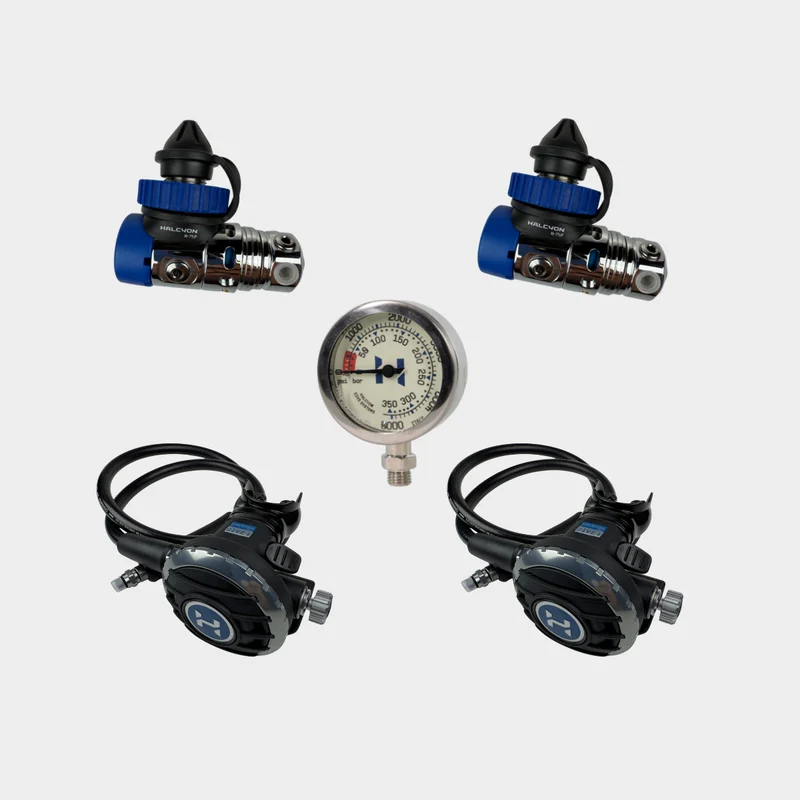
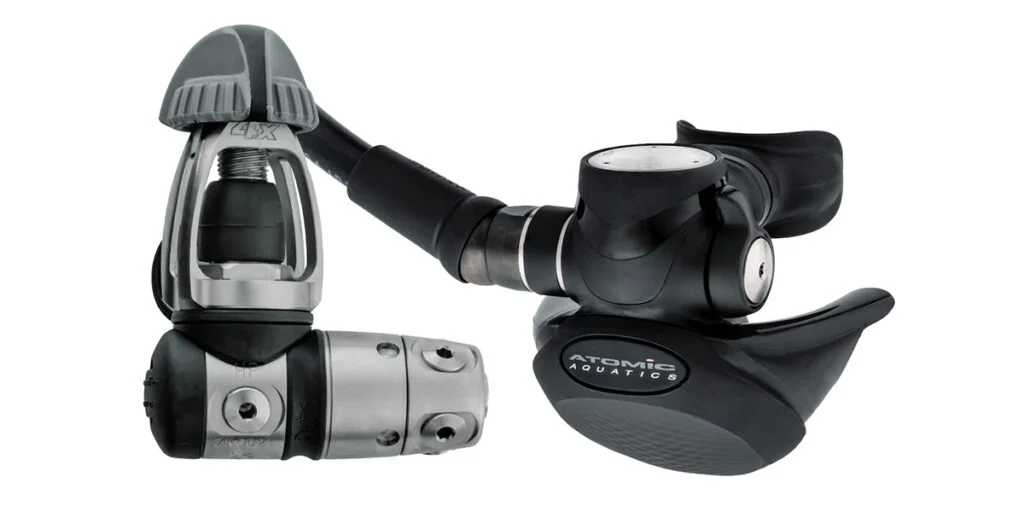
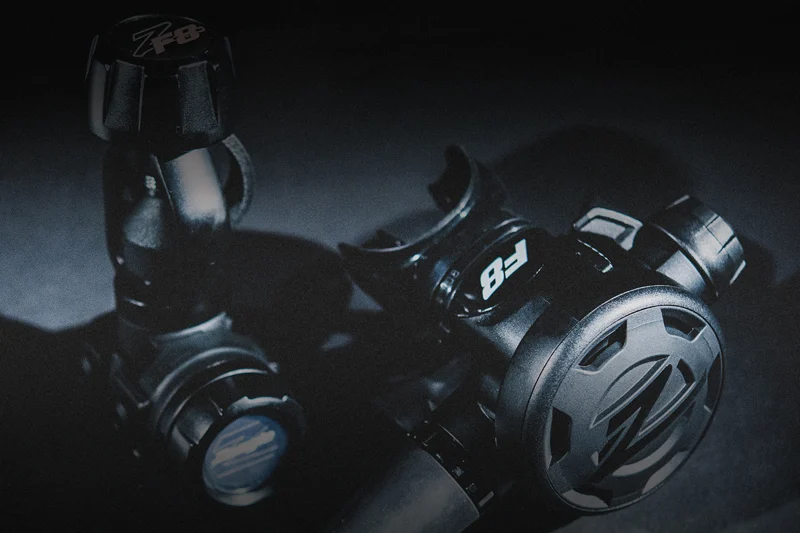
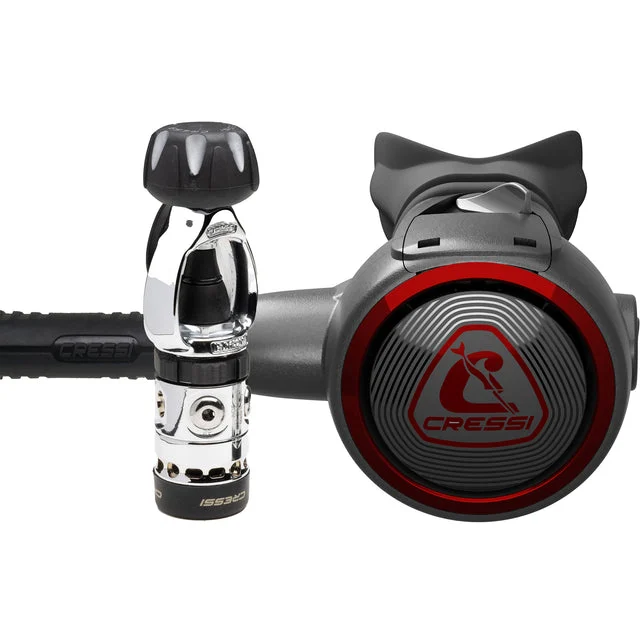
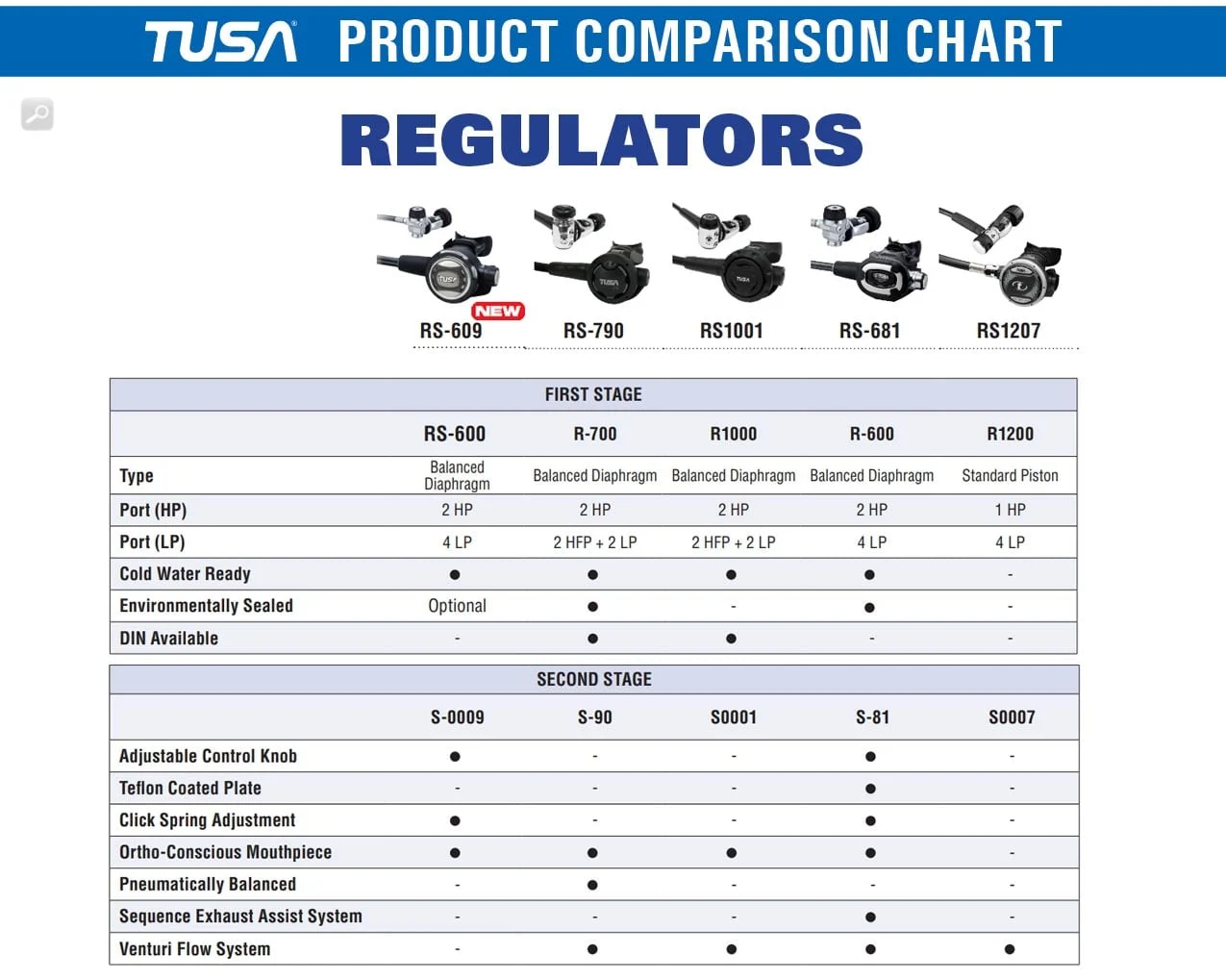
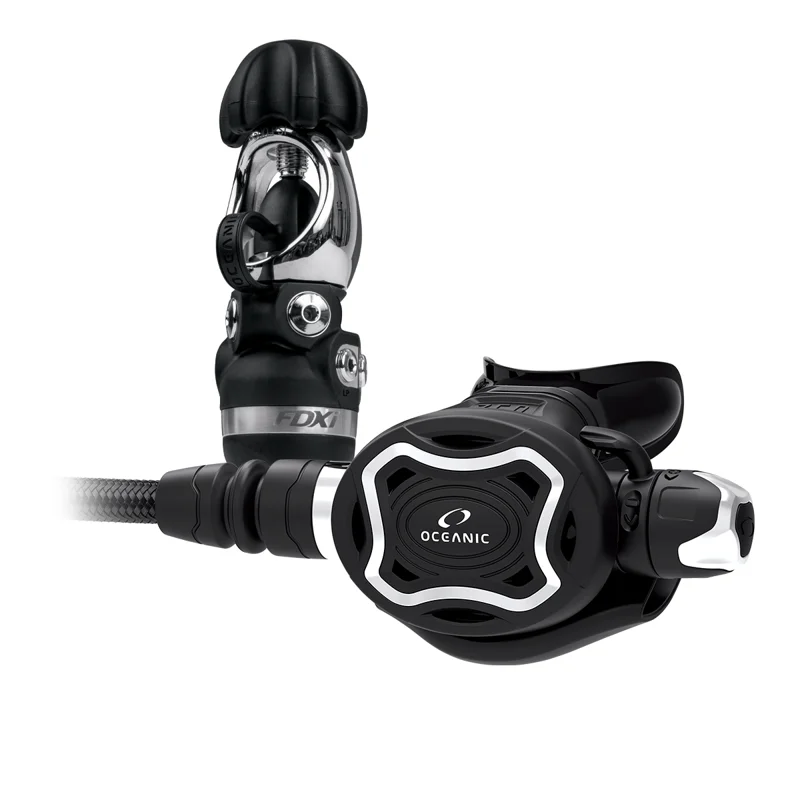
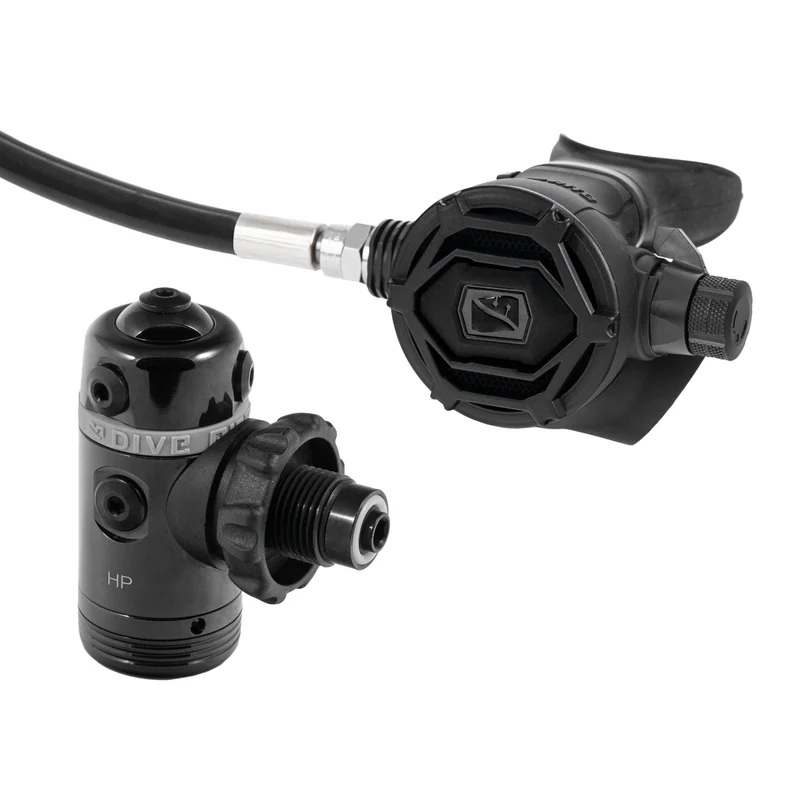
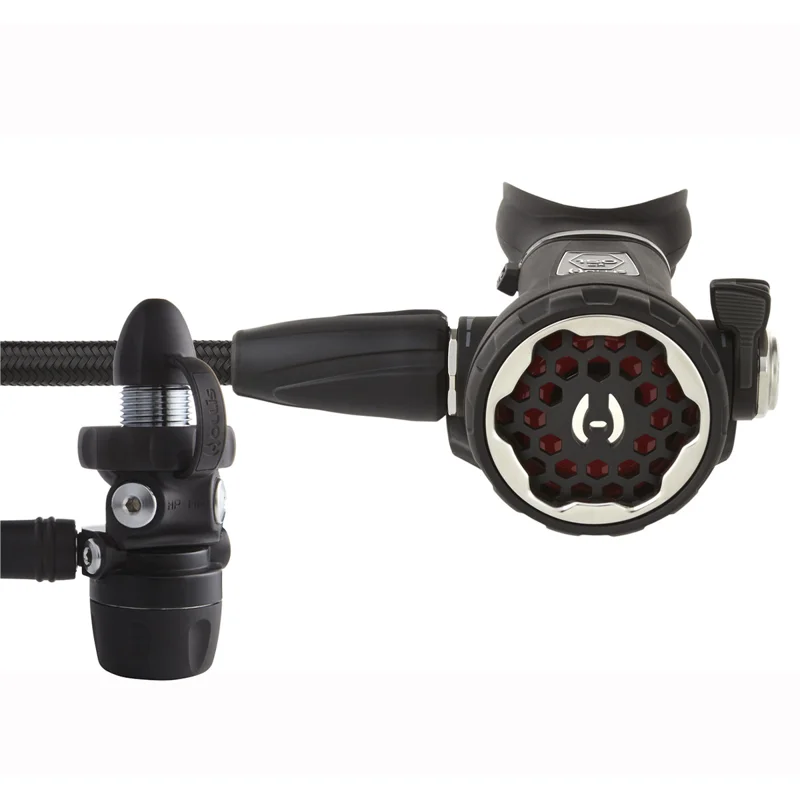
Tell us what your next few dives look like, the cylinders and valves you expect to use, and what you already own. We’ll help compare the whole setup and confirm what’s included, current availability and service options.
Not if you already own suitable compatible components. Have the assembled configuration verified by a qualified service technician. An advertised set usually has a first stage and primary second stage only.
Match the valve and pressure you’ll actually use. Some travel cylinders use yoke; others support DIN. Ask about rated compatibility before depending on an adapter.
They describe different things. Balancing concerns how the mechanism behaves as cylinder or ambient pressure changes; sealing concerns how the first stage is isolated from the surroundings. Verify cold-water suitability separately.
Both designs can be appropriate. The specific model, its environmental protection, intended conditions and service support matter more than a blanket rule.
Price is not a rating. Check the exact approved assembly and minimum temperature published by the manufacturer. Seek training before diving in more demanding conditions.
Depending on the model, one adjusts breathing effort and the other changes airflow assistance. Use the owner’s manual and get familiar with the controls in a supervised setting.
Not usually. Count what your configuration needs and check where the ports sit. More ports don’t necessarily improve routing on your setup.
Have a qualified technician verify the manufacturer-approved combination. Don’t assume a stage is suitable just because the hose threads fit.
Confirm the manufacturer’s exact gas and service limits, and use equipment maintained and prepared for that use. A color accent is not proof of oxygen service.
You’re choosing equipment for a different configuration, not just buying a more expensive recreational set. Discuss routing, redundancy, and the complete system with your instructor.
A used set may be worth considering after verifying the model, service and recall status, parts support, and the cost of inspection or service. Don’t dive it until it’s checked.
The exact brand, model, service history and use matter. Follow the manufacturer’s schedule. Take it out of service if it leaks, free-flows unexpectedly, is damaged or has unknown service history.
Bring the name of your BC, relevant cylinder or valve details, and photos of the gear you already own. Tell us where you dive in Florida and whether you travel or expect to take technical training.
Use Contact Us or visit the shop in Stuart. Tell us whether you want a first-and-second set or a complete setup. We’ll confirm the price and what’s included.
Get comfortable with your new setup.
Scuba classesExplore Florida reefs and wrecks.
Dive with usTalk to our Stuart service team.
Equipment serviceSee where we’re headed next.
Worldwide group dive travel
Explore the beauty of the underwater world with the most versatile Scuba Education Center on the Treasure Coast!
Check-in for most departures at:
Riviera Beach City Marina
200 E 13th Street, Riviera Beach, FL 33404
**For Online Orders please allow 8-10 business days for receipt of product**
Florida Seller of Travel License - Registration No.: ST45820
State of Florida Department of Agriculture and Consumer Services Division of Consumer Services 2005 Apalachee Pkwy Tallahassee, Florida 32399-6500



Explore the March 27–April 3, 2027 trip at Cayman Brac Beach Resort. Check the trip page for current details and availability.
Explore Cayman Brac →
Explore local dive charters and find a dive that fits your plans. Review the individual listing for requirements and departure details.
Explore local diving →Prepare for your trip with scuba training · Browse upcoming adventures · See past adventures
Call (772) 600-8288 or email travel@stuartscuba.com.
Ask about dates, availability, diving requirements or your plans. An inquiry does not reserve a place or confirm availability. Please provide your own contact details. Do not include medical, payment, passport or a child's personal information.
We use these details to respond to your travel inquiry. This form does not sign you up for marketing.
Florida Seller of Travel Registration No. ST45820. Review the individual trip's travel agreement, inclusions, exclusions and cancellation terms before booking.