

Blue Heron Bridge: Top Five Dream Encounters
A Stuart Scuba wildlife wish list for Phil Foster Park and the surrounding Lake Worth Lagoon. Slow down, look closely and enjoy what the day offers. These five encounters draw on published observations and identification references, not a promise of what is present today.
Plan the visit with our Phil Foster Park guide and Blue Heron Bridge shore-dive guide. Wildlife interest never overrides your training, conditions, boundaries or dive plan.
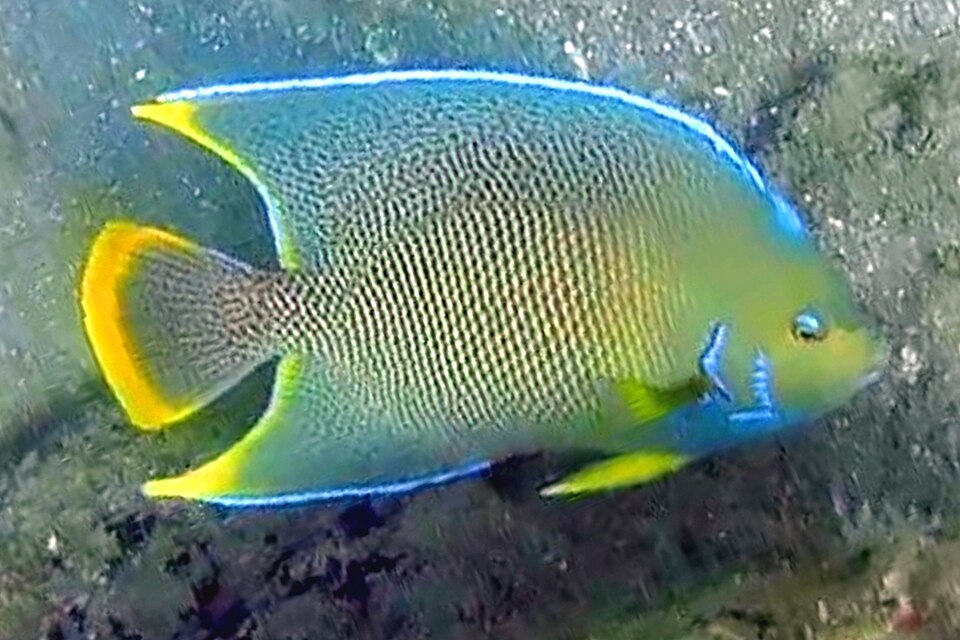
The five species portraits in the encounter sections are Stuart Scuba identification illustrations, not photographs of current sightings. Location and wildlife photographs carry separate credits and dates.
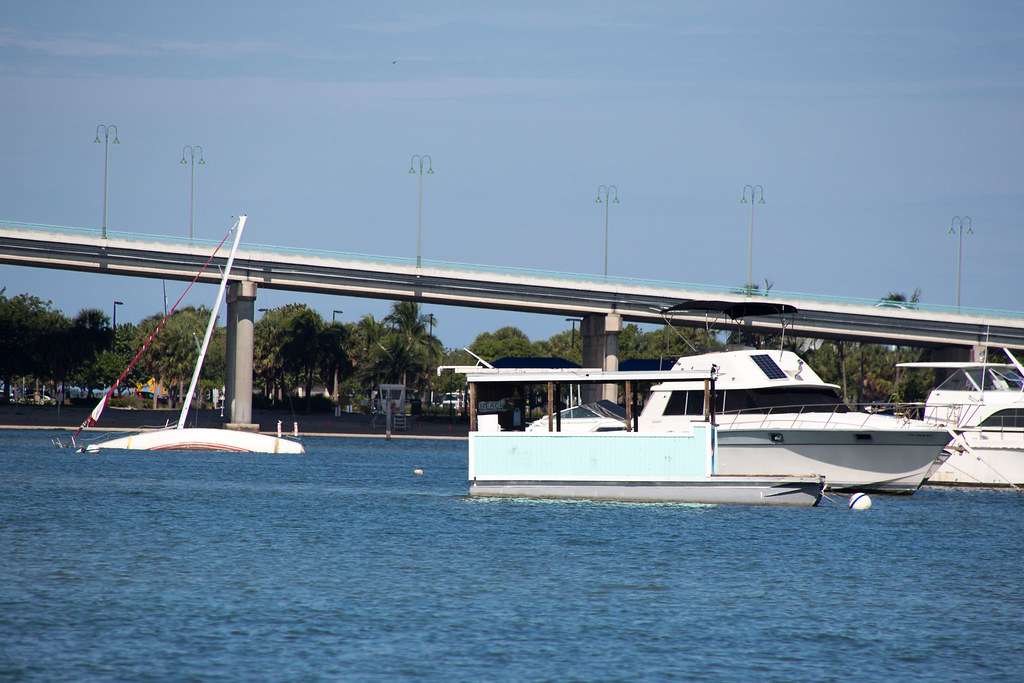
Blue Heron Bridge above and below the surface
1. Seahorses: the tiny encounter with a huge following
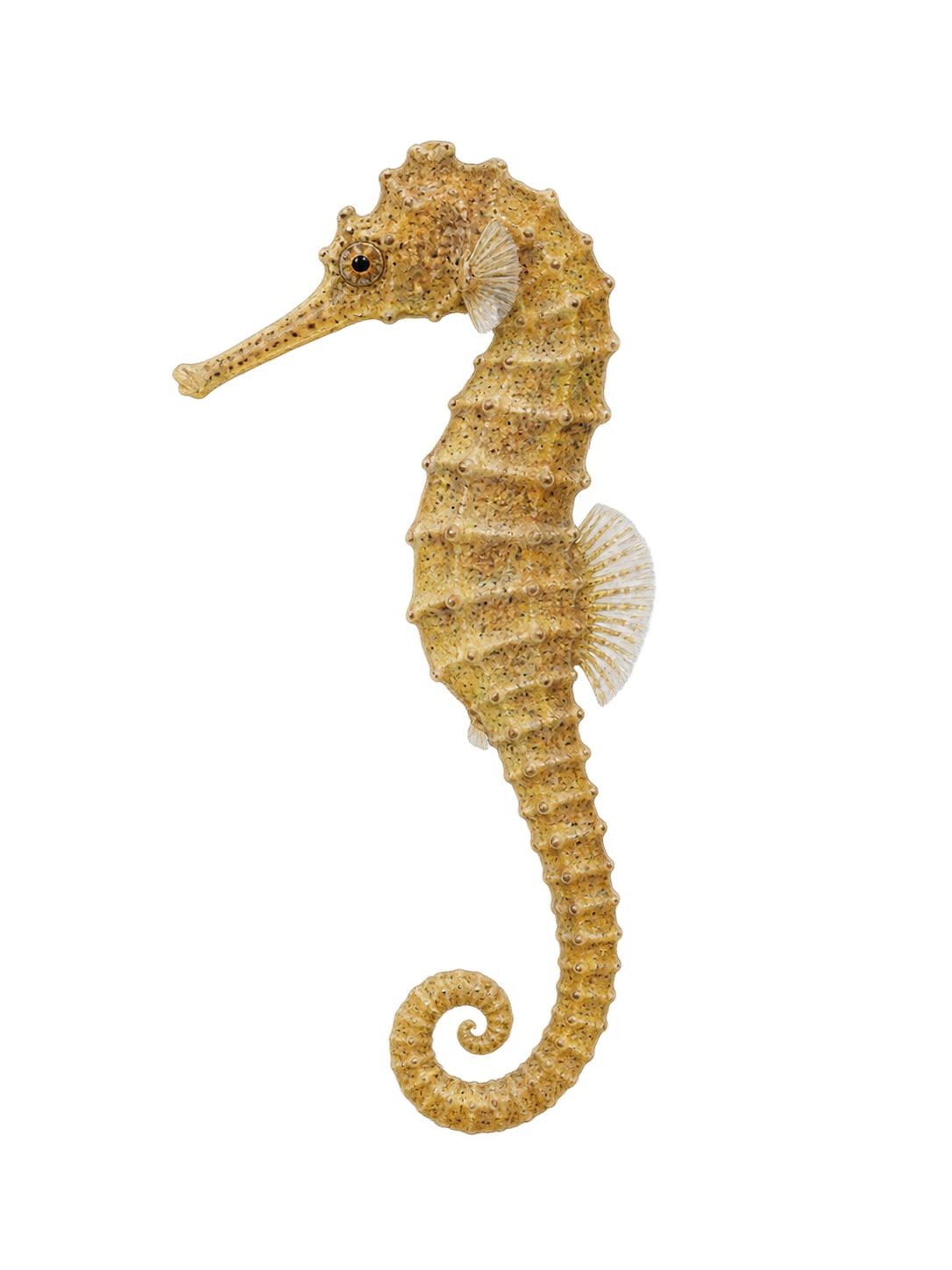
Both lined and longsnout seahorses appear in published Blue Heron Bridge accounts. Their upright bodies and curled tails make them memorable, but camouflage can make them surprisingly hard to notice. A blank patch in your photo does not mean there was nothing there; sometimes the best souvenir is learning to look more carefully.
What makes the encounter special?
Seahorses are fish with an unusual way of living. A grasping tail holds them near structure while their tubular snout takes small prey by suction. In lined seahorses, the male carries developing young in a brood pouch. Watching quietly is more interesting than trying to make the animal face a camera.
Identification and observation
Compare body proportions, snout and head features using the lined seahorse guide and longsnout seahorse guide. Color alone is not a reliable species label. Never move the animal, its holdfast or surrounding vegetation. The illustration shows a longsnout seahorse; it does not identify a particular sighting.
2. Striated frogfish: camouflage with a fishing rod
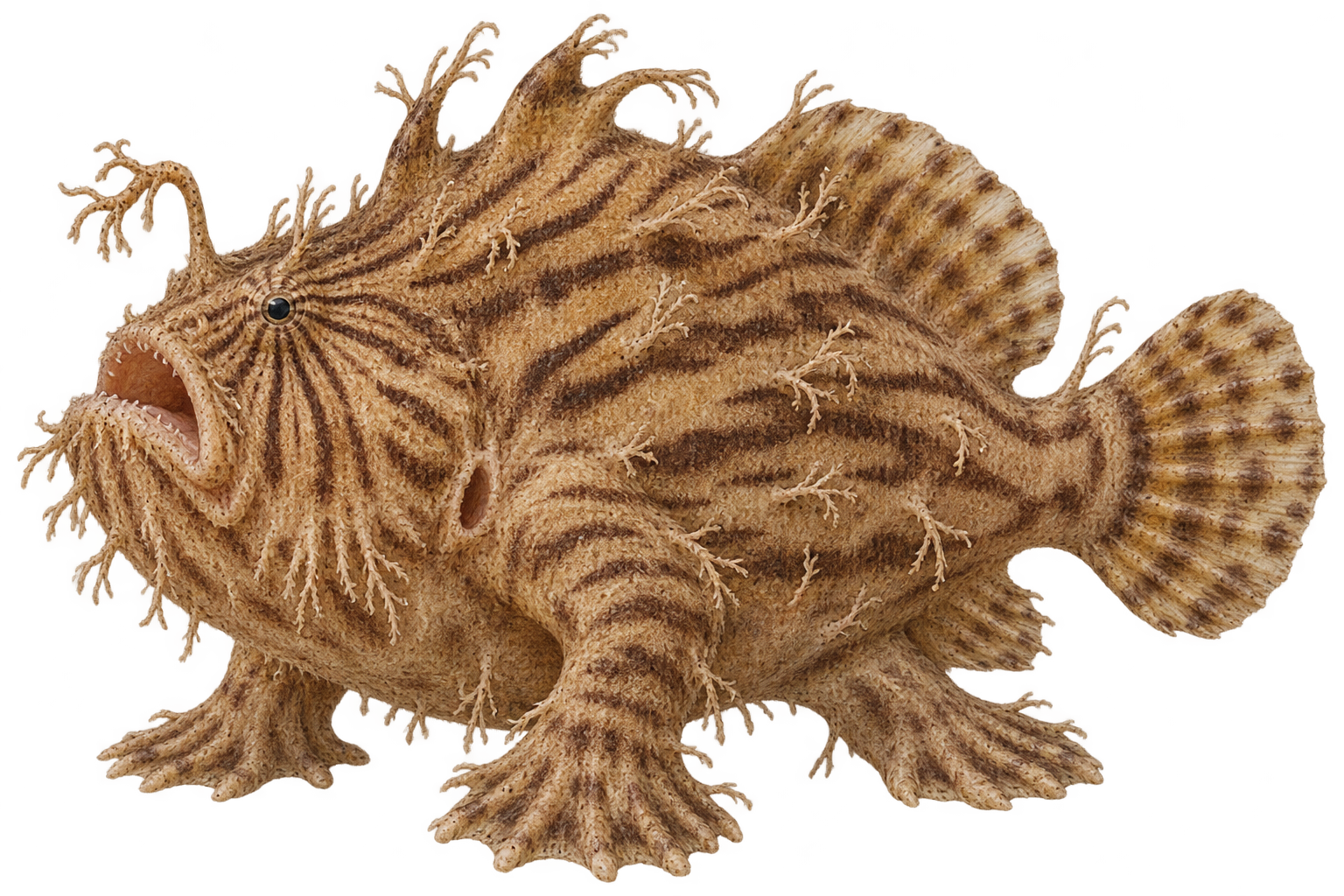
The striated frogfish is a documented local possibility and a favorite challenge for patient observers. Look for an unusual outline, eye or mouth rather than expecting a fish to swim past. Its uneven surface and variable colors can make it resemble the surrounding habitat.
What makes the encounter special?
This ambush predator has a modified dorsal spine that acts as a rod, with a wormlike lure at the tip. The lure helps attract prey within reach of its mouth. Its camouflage is functional: being overlooked is part of the hunting strategy, not an invitation to poke it to see whether it moves.
Identification and observation
Use the striated frogfish profile to compare the markings and fishing apparatus. Other frogfish occur in the region, so do not assign the name from a shaggy appearance alone. Never offer food, move the animal or clear habitat for a better picture. Finding one is a treat, not an expected part of every dive.
3. An octopus: watch the behavior, then work on the name
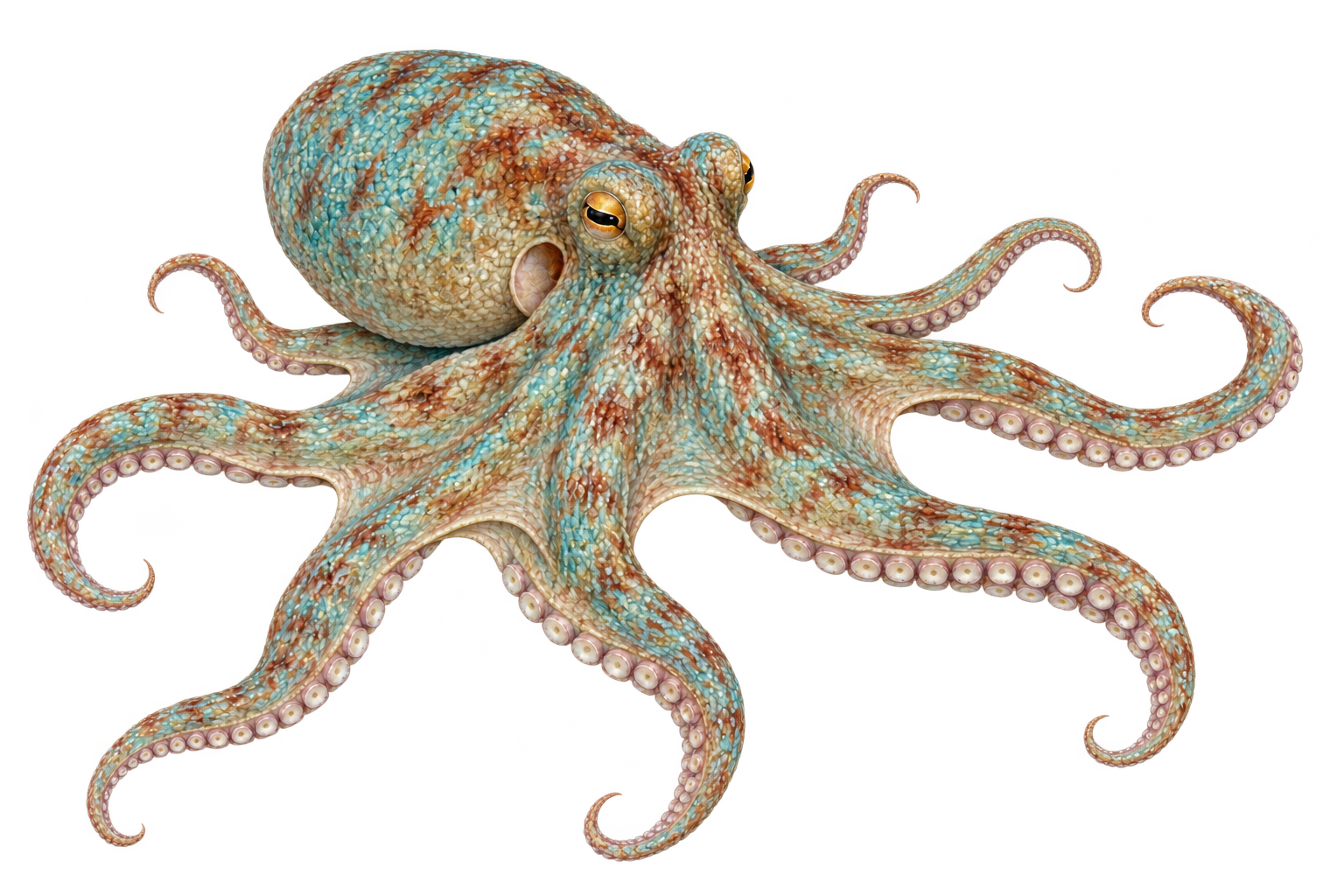
A quiet octopus observation can be the moment you talk about all the way home. Published bridge accounts describe several octopus species, including Caribbean reef octopus. That is encounter background, not a reliable identification of every eight-armed animal seen here.
What makes the encounter special?
Octopuses can change their appearance dramatically. For a Caribbean reef octopus, shifting color and skin texture are part of its camouflage; eight flexible arms explore the surroundings. An occupied den is shelter, not a display case. Avoid blocking its entrance or trying to encourage an animal to come out.
Identification and observation
Start with our Caribbean reef octopus reference, but keep uncertain observations labeled simply as octopus. A good photo made without disturbance can support later comparison. Do not reach into holes, remove shells or handle an animal. Let the encounter end when the animal retreats.
4. Mantis shrimp: a remarkable burrow-side glimpse
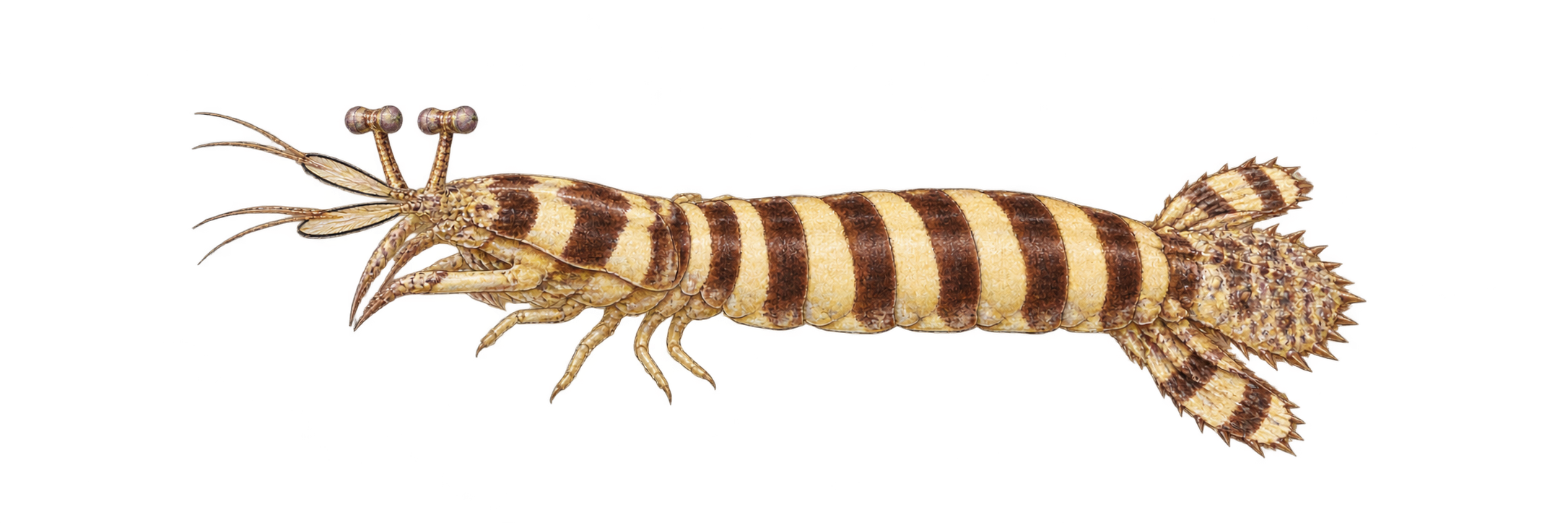
Mantis shrimp are reported in bridge diving accounts, and our scaly-tailed mantis shrimp profile cites a photograph labeled from Blue Heron Bridge. That record retains the photographer’s identification; it is not an independently reidentified specimen or a current-location report.
What makes the encounter special?
Often, only a small part of a burrow-dwelling animal is visible. Stalked eyes and folded hunting limbs can be fascinating, but they are not enough to identify every mantis shrimp to species. The scaly-tailed species is a spearing mantis shrimp; the familiar story about smashing shells should not be applied indiscriminately to all mantis shrimp.
Identification and observation
Read the scaly-tailed mantis shrimp profile and its sources. Observe from outside the opening. Never insert a pointer, fingers or bait, remove a sand cap, or enlarge a burrow. A partial glimpse is a successful encounter; an undisturbed home matters more than a complete photograph.
5. Spotted eagle ray: the wish-list flyby
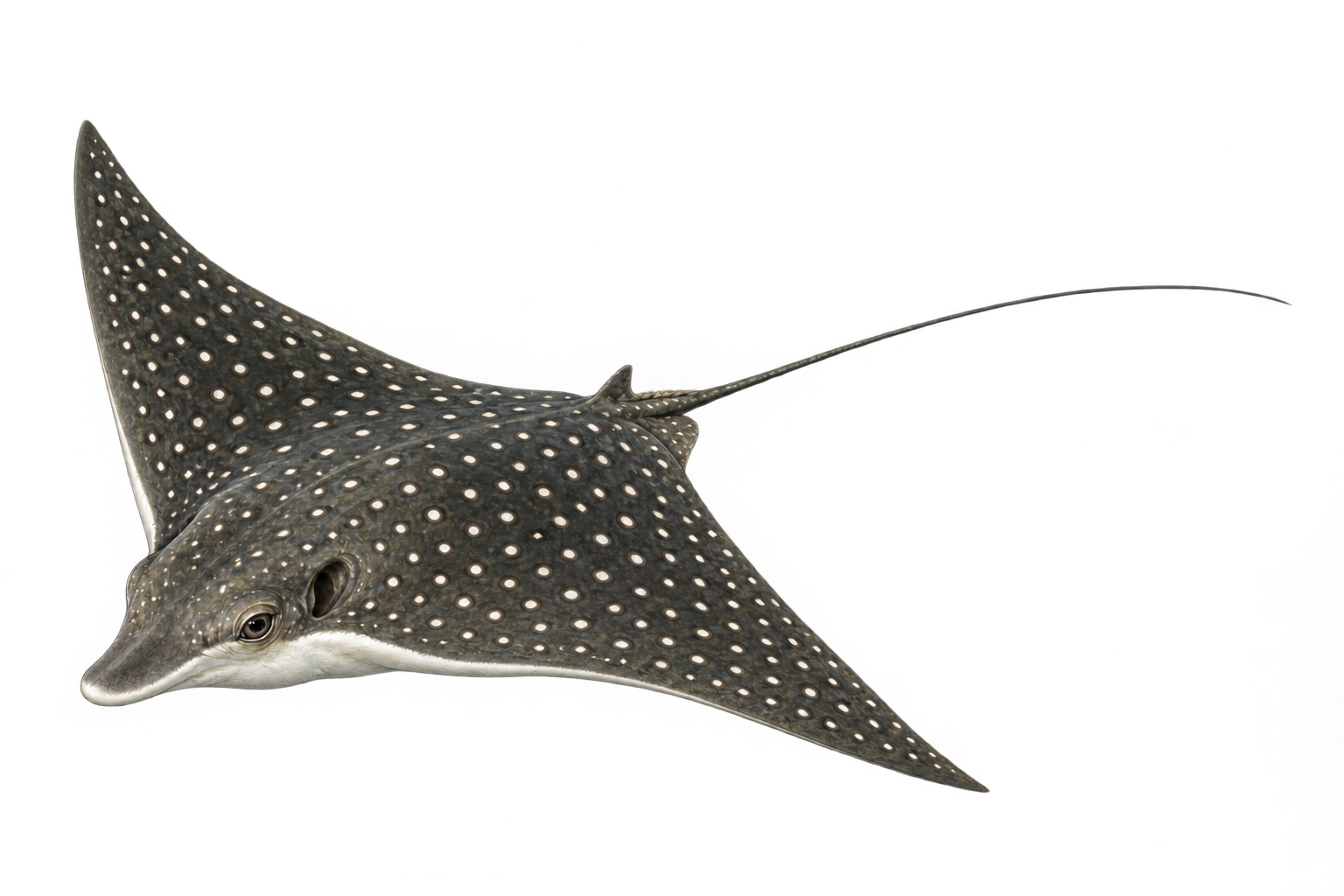
A spotted eagle ray passing through can transform a small-animal dive into a wide-angle memory. The Florida Museum inventory documents the species in Lake Worth Lagoon. That regional evidence supports its place on this wish list, but cannot predict whether one will pass your dive area.
What makes the encounter special?
Look for a pointed, wing-shaped disc, projecting snout, pale spots across a dark upper surface and a long slender tail. Broad tooth plates help crush hard-shelled prey. The familiar spotted pattern is only part of the identification; the outline and head shape matter too.
Identification and observation
Compare the spotted eagle ray profile. Give the animal an open route and stay with your buddy. Do not chase it, touch it or follow it toward a channel. If the ray leaves, keep your original route, gas limits and exit plan. The best encounter is one in which its behavior remains its own.
Make your wish list wildlife-friendly
- Observe without feeding, touching, chasing or collecting.
- Keep fins and equipment clear of the bottom; do not move habitat for a photo.
- Record uncertain IDs honestly and compare features after the dive.
- Stay within marked dive zones, current conditions and your agreed limits.
Review local conservation guidance, access and safety and tide planning before you go. A species profile describes biology; it does not grant permission to collect or handle wildlife.
Bring your Blue Heron Bridge bingo card
Print the guest card before your visit, then record what you notice without disturbing wildlife. Use it for fun, not as a route, a collecting list or a reason to exceed your dive plan.
Download Stuart Scuba’s Blue Heron Bridge bingo card (PDF, 72 KB)
Plan your next experience with Stuart Scuba
Dive with us · Train with us · Travel with us · Compare Garmin dive computers
Share your diving interests with our team and confirm the right trip, equipment and training for you. Contact Stuart Scuba or call (772) 600-8288.
Sources and identification limits
Reviewed November 13, 2026. Encounter context: DAN’s Blue Heron Bridge account and the Florida Museum Lake Worth Lagoon inventory. Biology references: Florida Museum profiles for lined seahorse, striated frogfish and spotted eagle ray, plus the species-specific sources linked in our Fish ID guides.
Historical records, regional lists and individual photographs have different strengths. None supplies live abundance, current conditions or a guarantee. Ask for help with an uncertain identification rather than forcing a match.
Ask Stuart Scuba about your visit
Tell us your dates, diving experience and what you would like to learn. An inquiry does not reserve a trip or promise a wildlife encounter.





