A no-jargon guide to buying a scuba buoyancy compensator in Stuart, Florida. Start with the diving you actually do, then try on the setup you’ll actually wear.
Jacket, hybrid, backplate and wing, or sidemount? Put them side by side.
WRAPAROUND
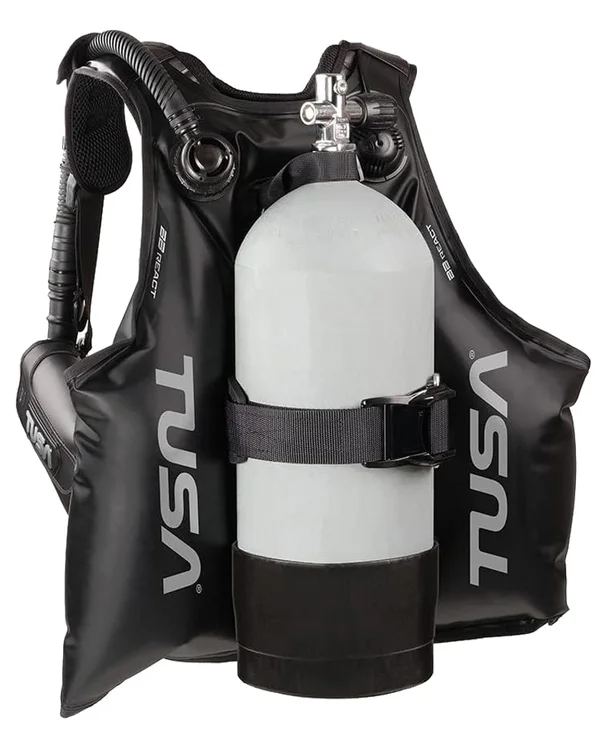
Jacket BCD
The bladder wraps around your torso and sides. It can feel familiar at the surface and often comes with big pockets. The downsides: more bulk around your middle, and some models feel snug when inflated. It’s not our first recommendation for a new purchase, but a well-fitted one you already know is not something you need to replace just because it’s a jacket.
RECREATIONAL AND TRAVEL
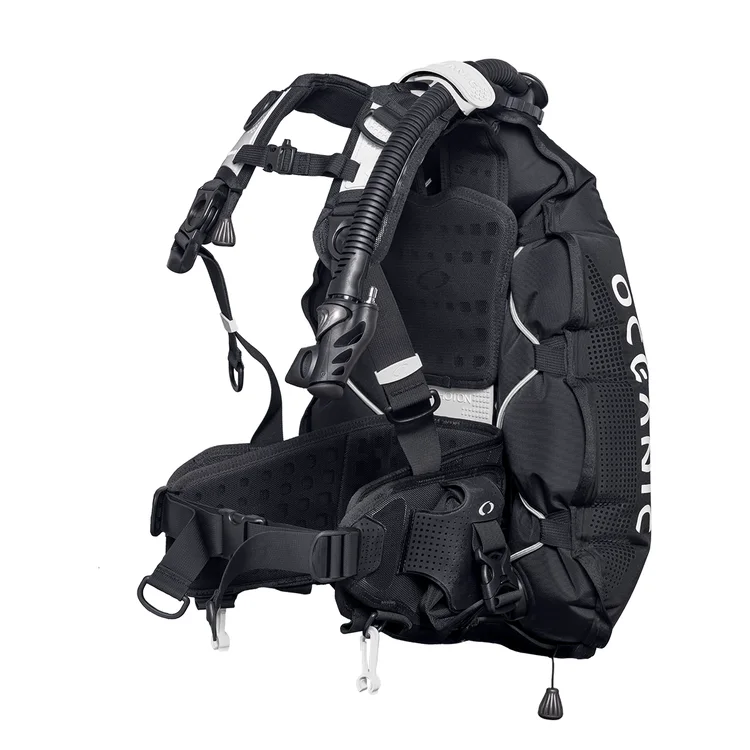
Hybrid or padded back-inflate
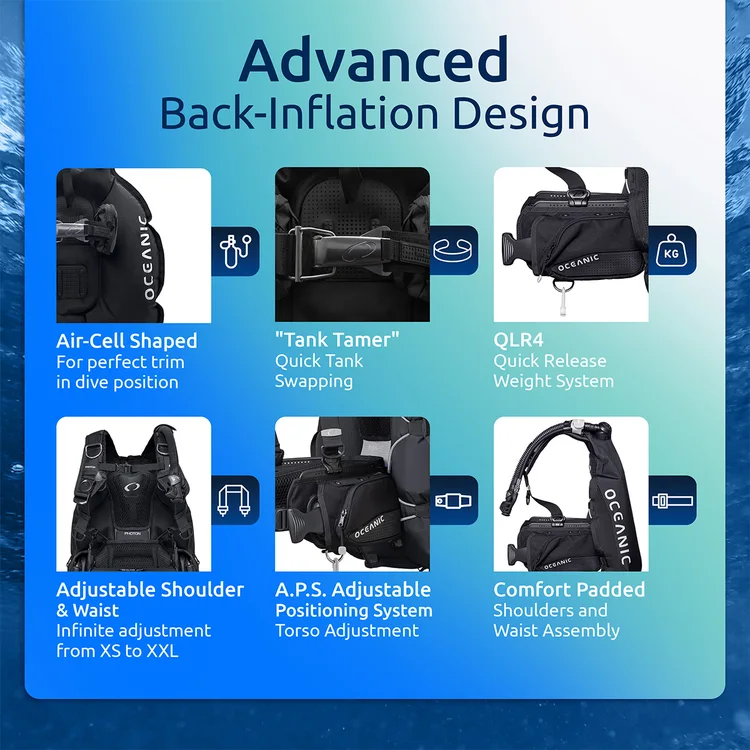
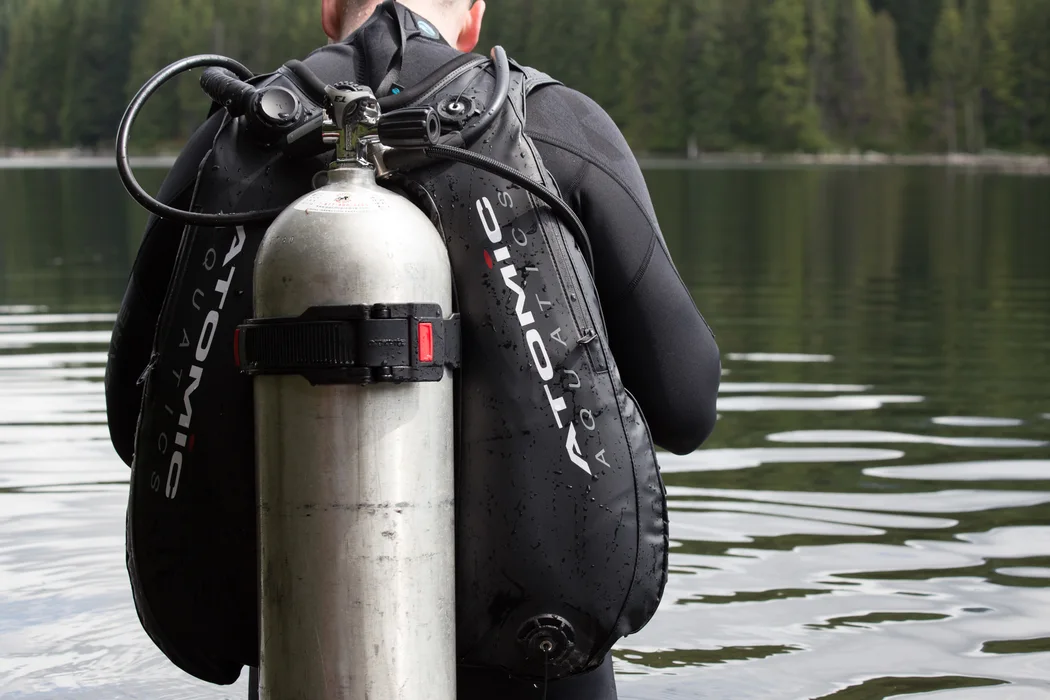
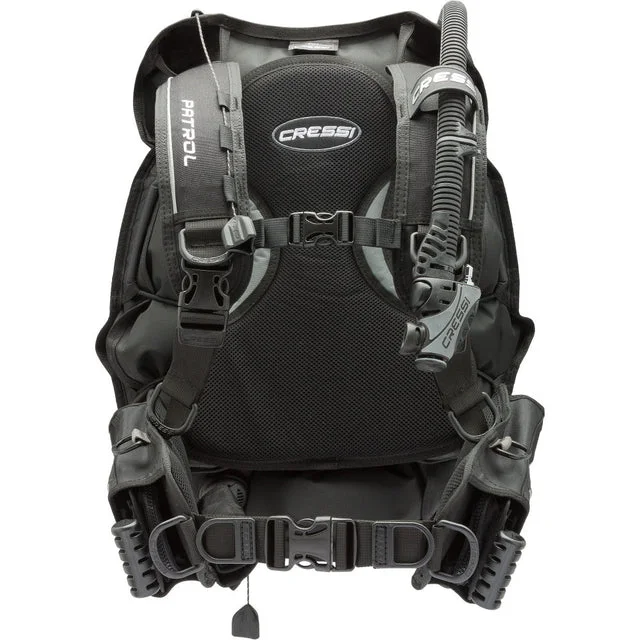
A hybrid blends the feel of a vest-style harness with buoyancy concentrated more toward the back; the term varies by brand. A pure back-inflate keeps the air cell behind you, even when it has padded straps, pockets, and buckles up front. Both are worth trying if you like a familiar harness and less bulk across your ribs.
MODULAR BACKMOUNT
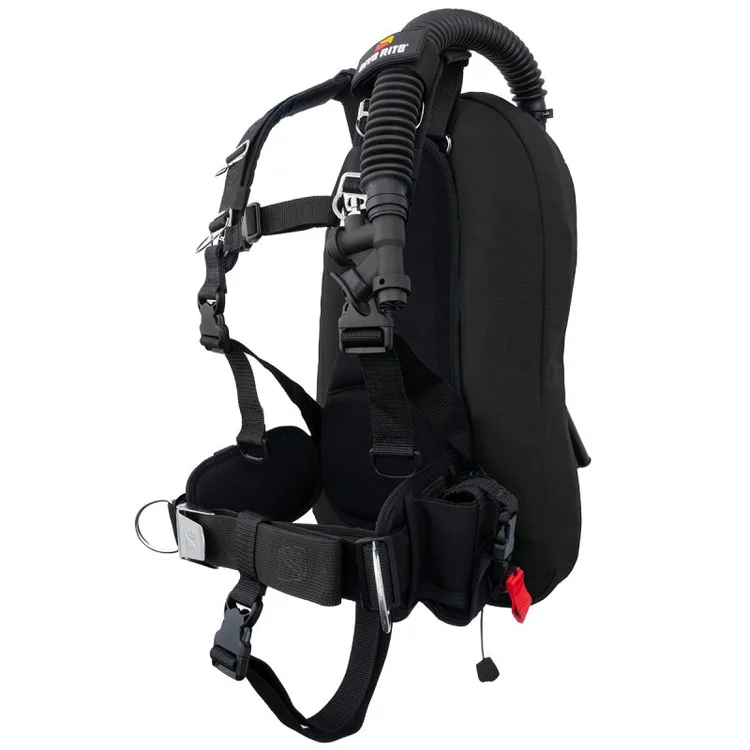
Backplate and wing (BP&W)
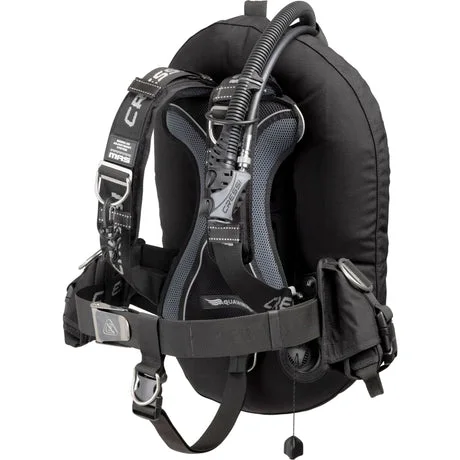
A separate plate, harness and rear air cell. Our starting point for divers who want a rig they can adapt over time. Compare plate length and material, webbing vs. a padded adjustable harness, and a wing designed for your cylinder setup. A single-cylinder wing and a doubles wing are not interchangeable by default.
SPECIALIZED CONFIGURATION
Sidemount
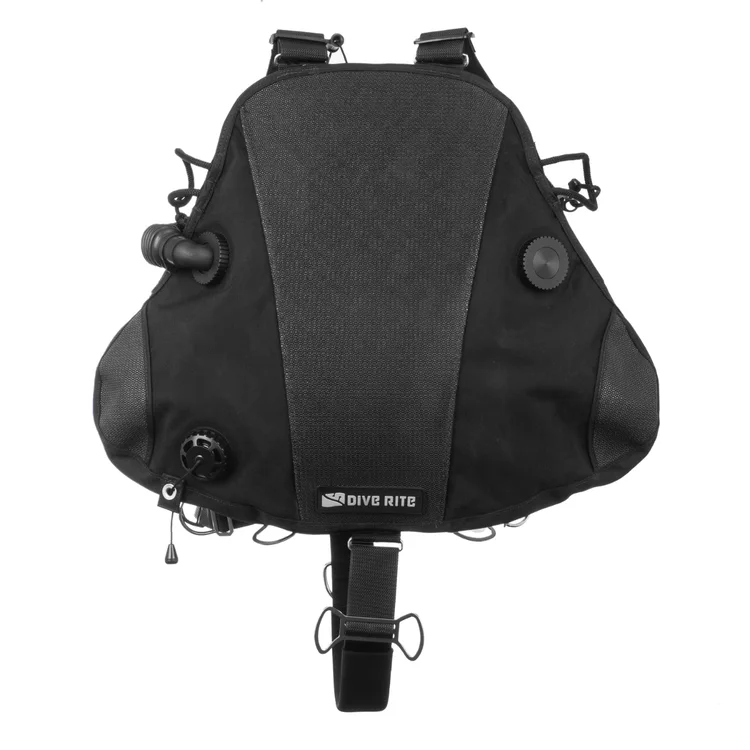
A purpose-built harness carries cylinders at your sides rather than on your back. Fit depends on your torso, exposure suit and the cylinders you’ll use. It’s a separate equipment configuration, not simply another recreational BCD upgrade. Plan on sidemount training and a supervised fit before taking it into open water.
Bring the suit you actually dive in. Measure chest and waist over the right layers. For a plate or adjustable technical harness, compare torso length as well.
Try it with your cylinder type. A travel rig, local steel single and backmounted doubles are different loadouts. Ask us to check lift for your entire setup; bigger is not automatically better.
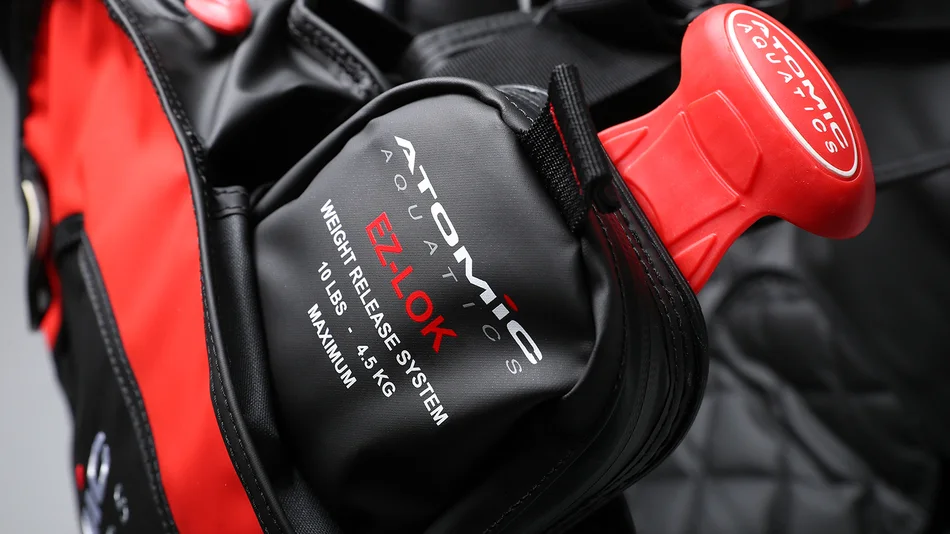
Try the controls and releases. Make sure you can reach the inflator, dumps and weight releases comfortably in your normal gloves, and show your buddy where they are.
Check comfort at full inflation and with the tank attached. The harness should stay put without restricting breathing or shoulder motion. Ask about a supervised pool check before the first open-water dive.
Compare the full price. Ask whether the plate, harness, tank bands, weight pockets and inflator are included. A wing by itself is not a complete BC.
What to bring to your BC fitting at Stuart Scuba
Bring your usual exposure suit. If you dive a thin suit in Florida and a drysuit on trips, tell us both. Don’t buy around clothes you won’t actually wear.
Bring your cylinder details. A single aluminum cylinder and a steel doubles setup change the decision. We’ll compare the complete rig, not just a lift number.
Try two setups back to back. Feel the different harnesses fully inflated, then check that you can comfortably reach the inflator, dumps and weight releases with your usual gloves.
Try your new gear in confined water. Work with an instructor to check surface position, weighting and buddy procedures before your first open-water dive in unfamiliar gear.
Before you leave, save a photo of the model label and your dated receipt. Ask whether the brand has a registration deadline or annual-service condition. The eight brand guides below give you the manufacturer’s warranty basics.
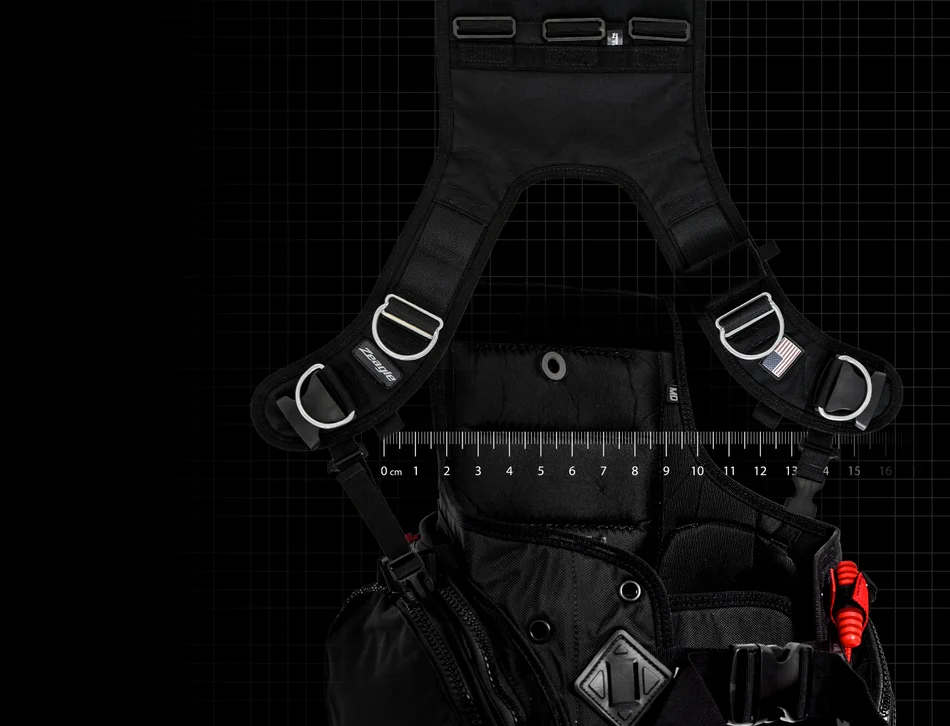
Separate vest and shoulder sizing can help when your torso and shoulders don’t fit the same off-the-rack size. The custom builder lists the Ranger, Ranger LTD, Stiletto and Zena, with model-dependent panel choices.
BUILD BY CONFIGURATION
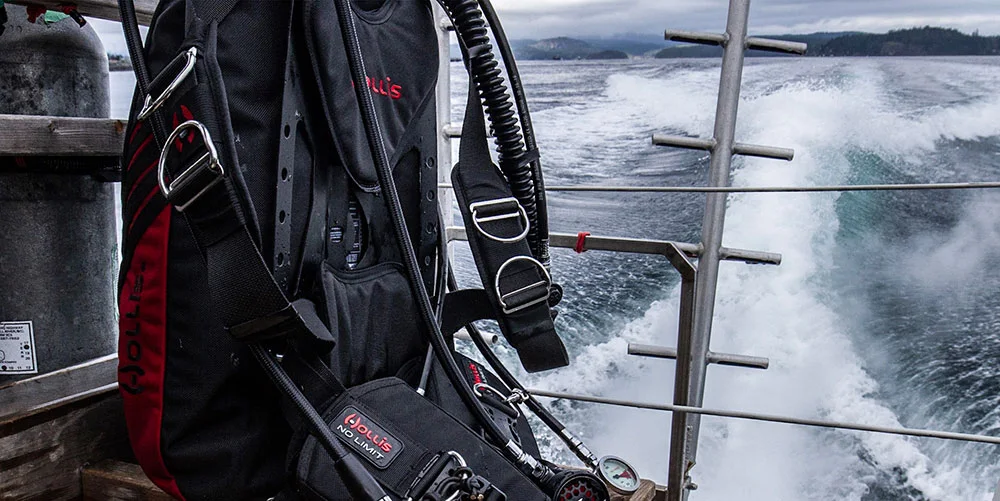
Hollis Custom Rig Builder
Start with single-cylinder, backmounted doubles or sidemount. The builder shows compatible harnesses, wings and other options, with color choices on eligible parts. Custom does not mean every component works together.
MODULAR FIT AND FINISH
Halcyon Go Custom
Choose the system and fit first: plate length and material, harness and the right wing. Then ask about wing colors, logos or embroidery. We’ll confirm the configuration, price and lead time before ordering.
Yes. BC means buoyancy compensator; BCD adds “device.” Scuba divers use both names for the same equipment.
Does Stuart Scuba recommend buying a jacket BCD first?
Usually no. We start with a fitted hybrid, back-inflate or single-cylinder backplate-and-wing. A familiar jacket can still be a sensible fit for some divers.
Is a backplate and wing only for technical divers?
No. A correctly fitted single-cylinder setup is a reasonable recreational option. For doubles, use a system and wing designed for doubles and appropriate training.
Does a back-inflate automatically make me horizontal?
No. Fit, cylinder position, exposure protection and weighting all change how you sit in the water. Practice in confined water with your instructor after changing configurations.
Can I buy a BC based on my T-shirt size?
Use the exact model chart, not your shirt size or another manufacturer’s chart. Bring your normal suit and ask for a fitting if measurements fall between sizes.
How much should I budget?
The brand pages show dated U.S. reference prices where verified. Ask for a complete Stuart Scuba quote based on what comes in the box, your size, and any custom choices.
Can I travel with the same BC I dive in Florida?
Often, yes. Compare packed weight and bulk, but make sure the same setup still works with the cylinders and exposure protection at your destination.
Can I order a custom color?
Selected Zeagle, Hollis and Halcyon systems offer factory choices. Availability, included options, price and lead time depend on the build.
Exposure protection, buoyancy and the regulator work as a system. Tell us which suits, cylinders and trips you plan around and we’ll help you compare compatible options.