
Cayman Brac group dive travel
Explore the March 27–April 3, 2027 trip at Cayman Brac Beach Resort. Check the trip page for current details and availability.
Explore Cayman Brac →

Stuart Scuba
Recreational & technical dive classes · Dive charters · Gear & service · Worldwide dive travel
TOP PERFORMING SDI/TDI DIVE SHOP · 2015–2026


STUART SCUBA · SCUBA EQUIPMENT & FITTING
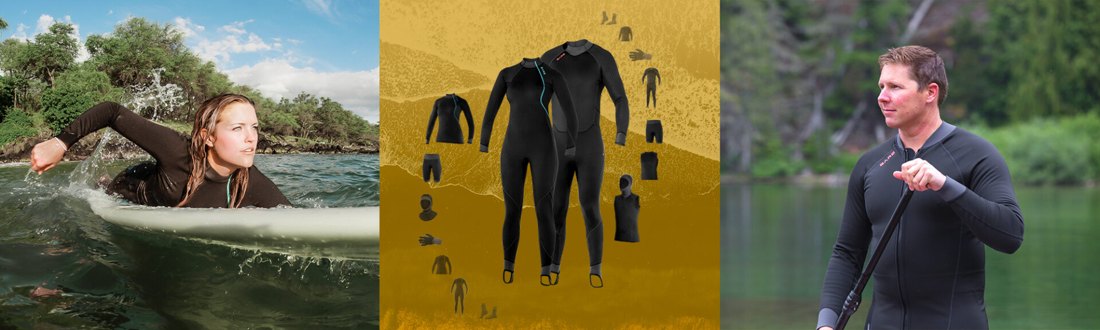
Two dives, wet gear, and a breeze on the ride back: that’s when a smart layer can earn its spot in the bag. Here’s how to add warmth without ruining the fit, and how to keep your suit ready for the next trip.
Get help with fit & availabilityVisit our Stuart dive shopCall (772) 600-8288Compare simple full-suit coverage with separates you can add or remove as your day changes.
Useful for coverage or helping a snug wetsuit slide on. A thin skin isn’t automatically a thermal layer. Check what the exact garment is designed to do.
Compare coverage around the core, head and neck. Try layers under the exact suit; they should lie flat and not bind at the neck or crowd the armholes.
Match boots to the fin pocket, not just shoe size. Choose gloves that let you work your gear and check local restrictions before using them.
Pack something dry for the surface interval, especially in the wind. Don’t overheat in a zipped-up suit while gearing up in the Florida sun.
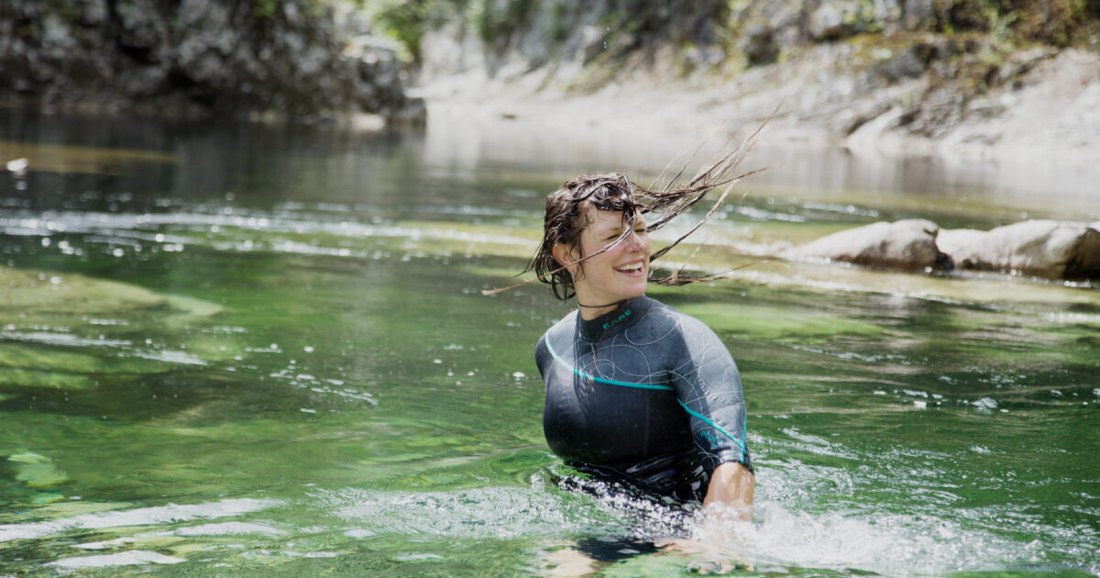
Follow the care label. A fresh-water rinse and shaded drying on a wide hanger help. Dry the inside too before storing, and keep the suit away from hot car trunks and harsh cleaners.
Rinse out salt and sand. Don’t force a zipper or use a lubricant unless it’s compatible with your model. Ask about repair when seams open, cuffs tear, or a zipper won’t track cleanly.
It can change how the system feels, but a regular rash guard is mainly coverage and isn’t the same as a purpose-built thermal layer.
No. Check compatibility with the garment instructions and make sure there is enough room to move.
Shade is generally a better choice. Follow the care label and let both sides dry before you put it away.
Follow the manufacturer’s instructions. A gentle fresh-water rinse is the reliable starting point; harsh detergents and high heat can damage materials.
It can. Make any necessary equipment and weight adjustments in a controlled setting rather than finding out on the first offshore drop.
A hood can add coverage, but it cannot fix gaps or flushing through an oversized suit. Check the base fit first.
Check whether the fit, warmth and stretch are still doing their job. Seams or zippers may be repairable; compressed or worn material may mean comparing replacements.

Want to spend less of your dive thinking about your gear? Learn new skills with Stuart Scuba.
Explore classes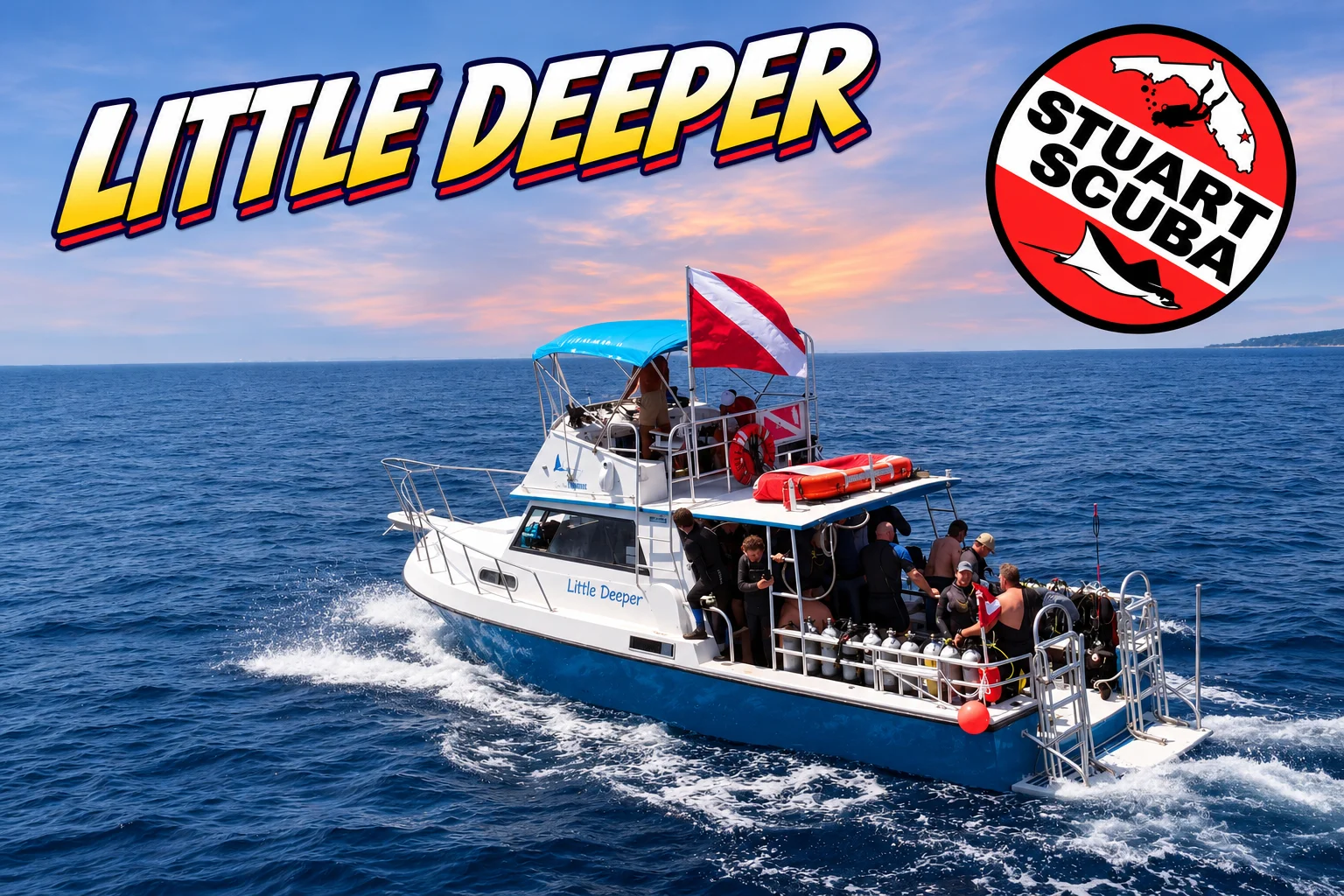
Take your setup out on a Stuart Scuba charter suited to your training and experience.
Dive with us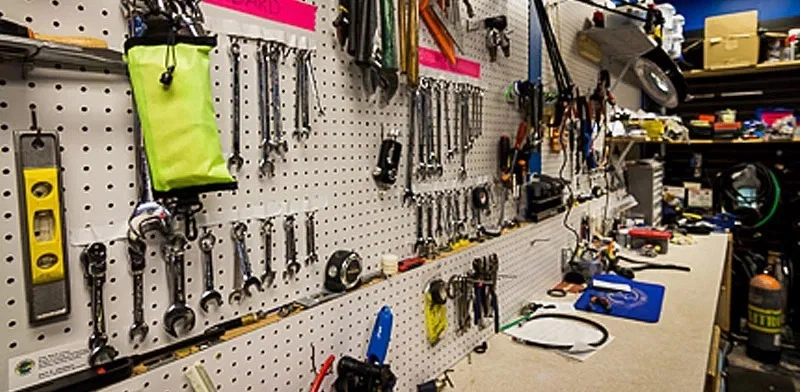
Have a zipper, seal or seam problem? Ask our service team what it can assess and which repairs are available.
Service & repair
Packing for somewhere new? Pick a trip and ask us what exposure protection we’d bring.
Group dive travelBring your measurements and tell us where you actually dive. If you use your own BCD, boots, or thermal layers, bring those too. We’ll help you compare fit, options, and current availability before you buy.
Get help with fit & availabilityVisit our Stuart dive shopCall (772) 600-8288
Explore the beauty of the underwater world with the most versatile Scuba Education Center on the Treasure Coast!
Check-in for most departures at:
Riviera Beach City Marina
200 E 13th Street, Riviera Beach, FL 33404
**For Online Orders please allow 8-10 business days for receipt of product**
Florida Seller of Travel License - Registration No.: ST45820
State of Florida Department of Agriculture and Consumer Services Division of Consumer Services 2005 Apalachee Pkwy Tallahassee, Florida 32399-6500


Explore the March 27–April 3, 2027 trip at Cayman Brac Beach Resort. Check the trip page for current details and availability.
Explore Cayman Brac →
Explore local dive charters and find a dive that fits your plans. Review the individual listing for requirements and departure details.
Explore local diving →Prepare for your trip with scuba training · Browse upcoming adventures · See past adventures
Call (772) 600-8288 or email travel@stuartscuba.com.
Ask about dates, availability, diving requirements or your plans. An inquiry does not reserve a place or confirm availability. Please provide your own contact details. Do not include medical, payment, passport or a child's personal information.
We use these details to respond to your travel inquiry. This form does not sign you up for marketing.
Florida Seller of Travel Registration No. ST45820. Review the individual trip's travel agreement, inclusions, exclusions and cancellation terms before booking.