
Cayman Brac group dive travel
Explore the March 27–April 3, 2027 trip at Cayman Brac Beach Resort. Check the trip page for current details and availability.
Explore Cayman Brac →

Stuart Scuba
Recreational & technical dive classes · Dive charters · Gear & service · Worldwide dive travel
TOP PERFORMING SDI/TDI DIVE SHOP · 2015–2026


STUART SCUBA · SCUBA EQUIPMENT & FITTING
If you spend the second dive wishing you’d stayed on the boat, it might be time to look at diving dry. Here’s what to compare before buying, including the layers, fit, and training that make the whole setup work.
Get help with fit & availabilityVisit our Stuart dive shopCall (772) 600-8288Compare the zipper, pockets and how much room there is to move with your planned layers.
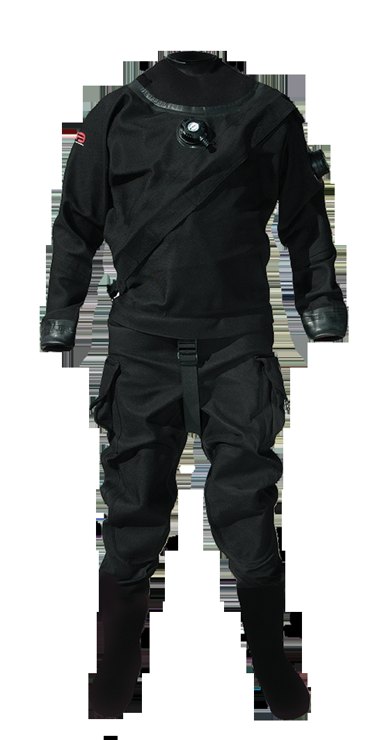
A flexible shell has little built-in insulation. Choose it if you want to change your insulation as sites, seasons and travel plans change. Compare reinforcement, pack weight and ease of movement in the actual model.
A neoprene dry suit adds some insulation in the suit itself. It is typically bulkier, and standard neoprene changes thickness with depth. Compressed or crushed constructions behave differently; compare the exact suit rather than assuming all neoprene models feel alike.
Plan a moisture-managing base layer and the insulation you actually expect to wear. If you’re between suits, try both with your bulkiest realistic layers, not with a T-shirt and jeans.
Ask which seal systems are supported, what spares cost, and how seals are serviced. Try reaching the zipper while dressed. A front-access zipper can make self-donning easier on some designs; mobility and zipper routing still matter.
Attached boots can keep the setup simple. Dry socks and separate boots offer a different fit and support choice. Try your fins with the actual footwear and ask about foot volume before ordering.
Ask for the total cost of suit, layers, seals, footwear, alterations and planned service. For a used suit, establish repair history and arrange a professional leak and condition check before committing.
These manufacturer examples show what changes across models. Ask Stuart Scuba to confirm the build, size, service options, and ordering availability before deciding.
A polyester trilaminate shell. Start here if you want a flexible shell and the option to vary insulation by season. Compare the real fit and zipper reach before paying for upgrades.
Explore BAREA lightweight nylon micro-ripstop trilaminate with front entry and made-to-measure options. Compare it if mobility, pack weight or nonstandard proportions matter.
Explore BAREA front-entry trilaminate with a telescoping torso, metal dry zipper and model-specific size options. Compare it if you value a shaped upper-body fit and want to talk through the sealing and glove options.
Explore WaterproofA trilaminate with an integrated insulating construction. Compare how the insulation and fit feel together, especially if you are deciding between this system and a conventional shell with variable layers.
Explore WaterproofA front-entry Cordura membrane suit with reinforced seat and knees, a telescoping torso, two pockets and neoprene socks as standard. Compare it when abrasion resistance and practical pocket placement matter.
Explore PinnacleA dry suit changes buoyancy and adds equipment and procedures to your dive. The SDI Dry Suit Diver course is the place to learn and practice before relying on one in open water.
See the SDI Dry Suit classA shell provides little insulation on its own. Your layers, suit construction, conditions and dive profile all determine warmth.
Learn and practice with a qualified instructor before diving one independently. A dry suit adds new equipment, buoyancy considerations and emergency procedures.
No. Some divers choose one for repeated or lengthy dives in moderate water. Match the suit and insulation to the real dive and your own cold tolerance.
Only after checking fit with your layers and getting the zipper, seals, valves, seams and leak status assessed. A low price can disappear into major repairs.
A semi-dry is a wetsuit design intended to limit water circulation. A dry suit has a waterproof enclosure and seals and is used with appropriate training and insulation.
Lighter shells can pack easily, but choose durability, fit and serviceability for your diving first. Compare the bag weight of the entire setup, including layers and footwear.
No. Use the exact model’s chart and allow room for the layers you expect to dive in. Try the whole system if possible.
Contact our service department with the suit brand, model, and symptoms. We can help determine the appropriate service or manufacturer-supported repair path.

Want to spend less of your dive thinking about your gear? Learn new skills with Stuart Scuba.
Explore classes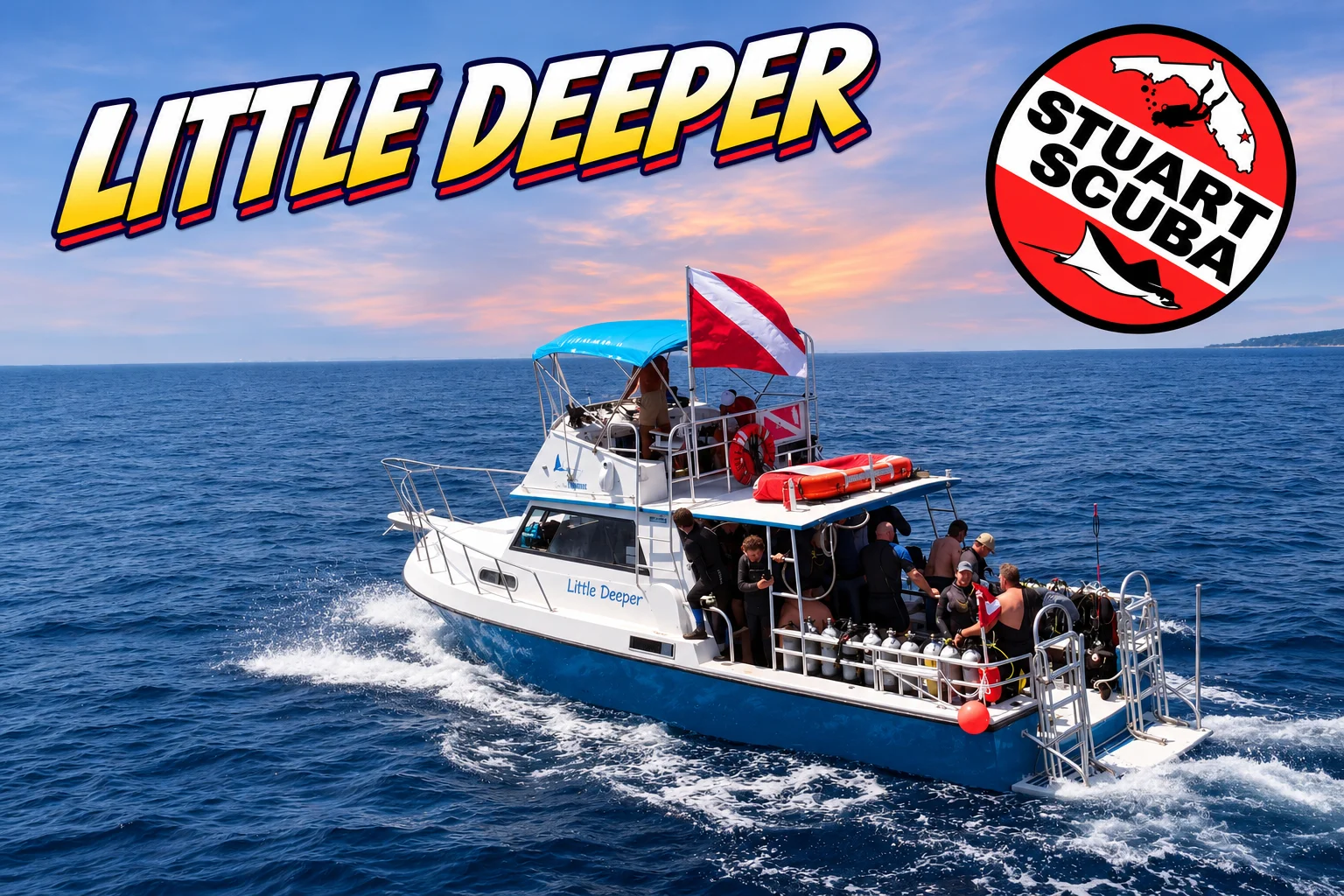
Take your setup out on a Stuart Scuba charter suited to your training and experience.
Dive with us
Have a zipper, seal or seam problem? Ask our service team what it can assess and which repairs are available.
Service & repair
Packing for somewhere new? Pick a trip and ask us what exposure protection we’d bring.
Group dive travelBring your measurements and tell us where you actually dive. If you use your own BCD, boots, or thermal layers, bring those too. We’ll help you compare fit, options, and current availability before you buy.
Get help with fit & availabilityVisit our Stuart dive shopCall (772) 600-8288
Explore the beauty of the underwater world with the most versatile Scuba Education Center on the Treasure Coast!
Check-in for most departures at:
Riviera Beach City Marina
200 E 13th Street, Riviera Beach, FL 33404
**For Online Orders please allow 8-10 business days for receipt of product**
Florida Seller of Travel License - Registration No.: ST45820
State of Florida Department of Agriculture and Consumer Services Division of Consumer Services 2005 Apalachee Pkwy Tallahassee, Florida 32399-6500


Explore the March 27–April 3, 2027 trip at Cayman Brac Beach Resort. Check the trip page for current details and availability.
Explore Cayman Brac →
Explore local dive charters and find a dive that fits your plans. Review the individual listing for requirements and departure details.
Explore local diving →Prepare for your trip with scuba training · Browse upcoming adventures · See past adventures
Call (772) 600-8288 or email travel@stuartscuba.com.
Ask about dates, availability, diving requirements or your plans. An inquiry does not reserve a place or confirm availability. Please provide your own contact details. Do not include medical, payment, passport or a child's personal information.
We use these details to respond to your travel inquiry. This form does not sign you up for marketing.
Florida Seller of Travel Registration No. ST45820. Review the individual trip's travel agreement, inclusions, exclusions and cancellation terms before booking.