


Stellar Coral
Psammocora stellata · Psammocoridae · Colonial coral · Galápagos Islands Fish ID
How to identify it
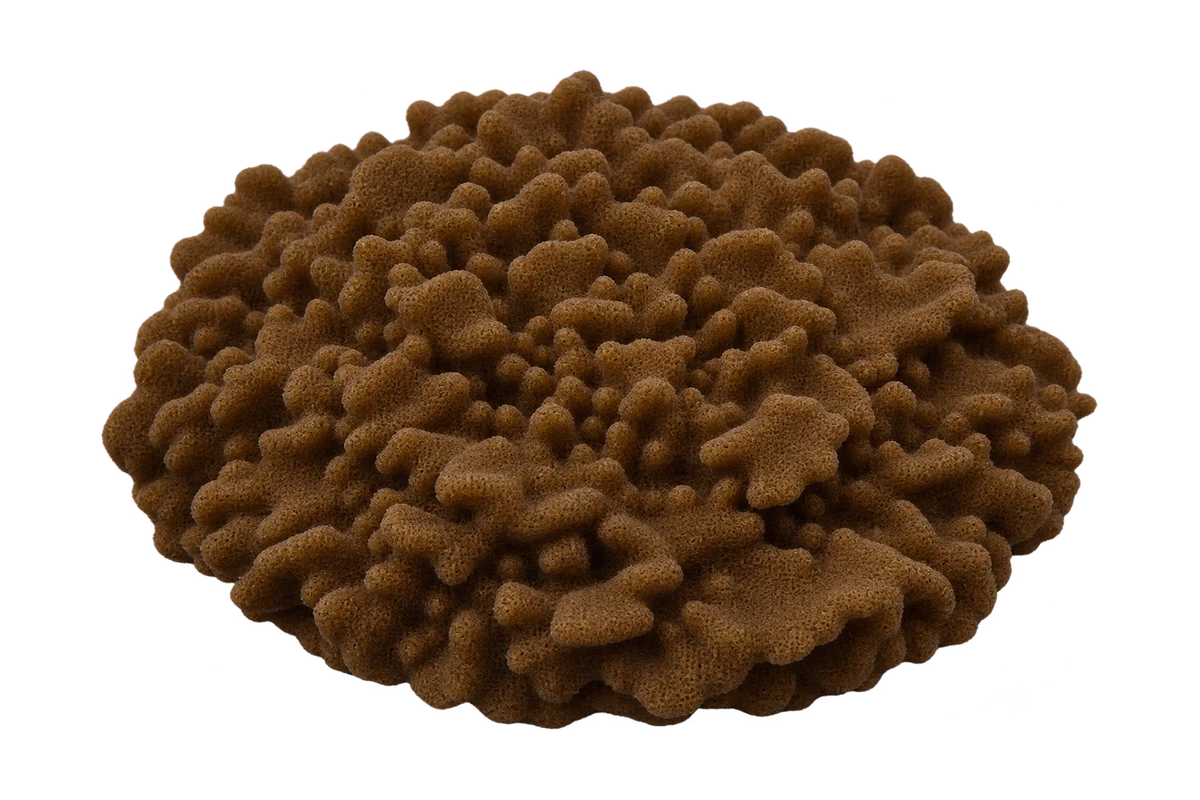
This stellar coral breaks the rule that a coral colony has to be fixed in place. At Devil’s Crown, small branching colonies can sit loose among the sand and rubble.
Look for tight nodular branches. A free-living branching fragment is not enough for a species ID; compare the live surface texture with a named photo. Co-occurring mushroom coral has a single ridged plate rather than many branches.
Learn to observe reefs without touching
SDI Coral Conservation is the place to start if you want to learn about coral habitats and how to observe them responsibly.
Start with the colony’s outline and the pattern of its coral cups. Look from a position where you can keep your fins and camera clear of the colony.
- Keep your fins and camera clear: Advanced Buoyancy Control focuses on trim, weighting and hovering.
- Build a broader skill set: Advanced Adventure introduces several specialties, including deep diving and navigation, with opportunities to refine buoyancy.
- For deeper recreational dives already in your plans: Deep Diver focuses on planning depth and managing breathing gas. It’s not needed to identify coral on a shallow dive.
- Record the details: Underwater Photography covers lighting and still-image composition. Underwater Video covers framing and steady footage. Use either without resting gear on the reef.
Galápagos Islands records
Documented Galápagos record: Devil’s Crown, Floreana. A record does not guarantee a sighting.
Fun facts
- Devil’s Crown off Floreana has a documented population of loose colonies.
- Individual colonies can form compact little clusters of knobby branches.
- The local colonies can sit on loose sand and rubble rather than growing as a continuous reef.
- Broken fragments can grow into more colonies, a form of asexual reproduction.
- The Devil’s Crown population returned after the severe disturbances of the early 1980s.
- Sediment cores show the species has been part of that coral bed for thousands of years, not that one colony lived that long.




