
Stuart Scuba Fish ID • Central Philippines
Philippines Reef Fish Field Notes 3
Field marks and reef behavior for 14 fishes documented in the central Philippines. Regional records do not guarantee a sighting on any one dive.
Search the Philippines Fish ID · See illustrated Tomato Clownfish life stages
Shoulderspot Goby
Gnatholepis cauerensis · Gobiidae
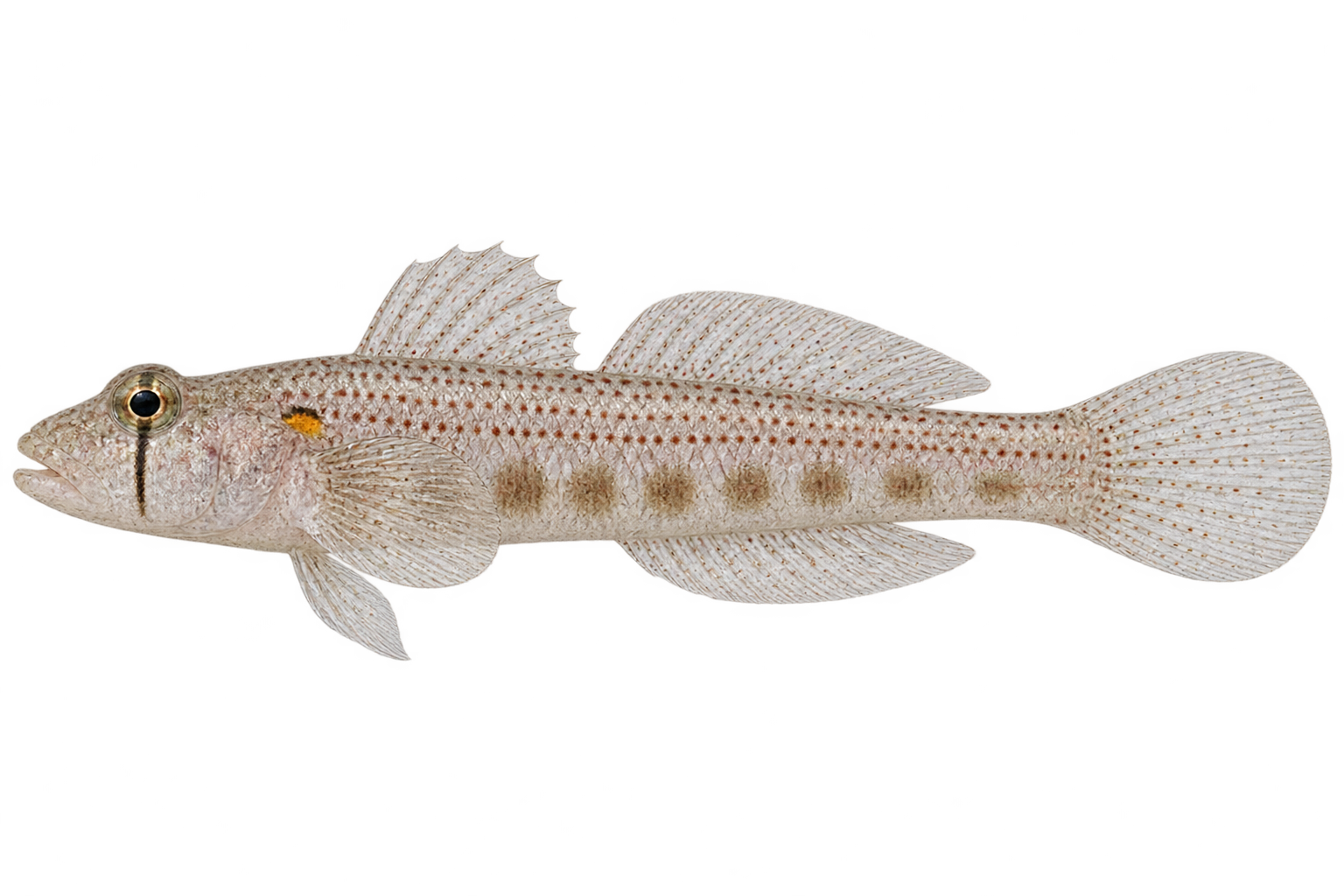
How to identify it: Thin dark line through the eye, dark-rimmed orange spot above the pectoral fin, brown flank patches.
What to watch for: Pause over reef sand for a side view. An eye stripe alone doesn’t rule out similar gobies.
Stobbs’ Pygmygoby
Trimma stobbsi · Gobiidae
How to identify it: One documented Philippine specimen showed brick-red scale tips on a brown body and a pink-brown circle around the pupil.
What to watch for: Color alone isn’t conclusive; several lineages have been assigned this name. Photograph head and body together.
Scaly Damsel
Pomacentrus lepidogenys · Pomacentridae
How to identify it: Usually gray to blue-gray, sometimes yellowish above or on the fins. Yellow alone is not diagnostic.
What to watch for: A clear profile photograph is more useful than remembering a passing fish’s exact shade.
Jewel Damselfish
Stegastes lacrymatus · Pomacentridae
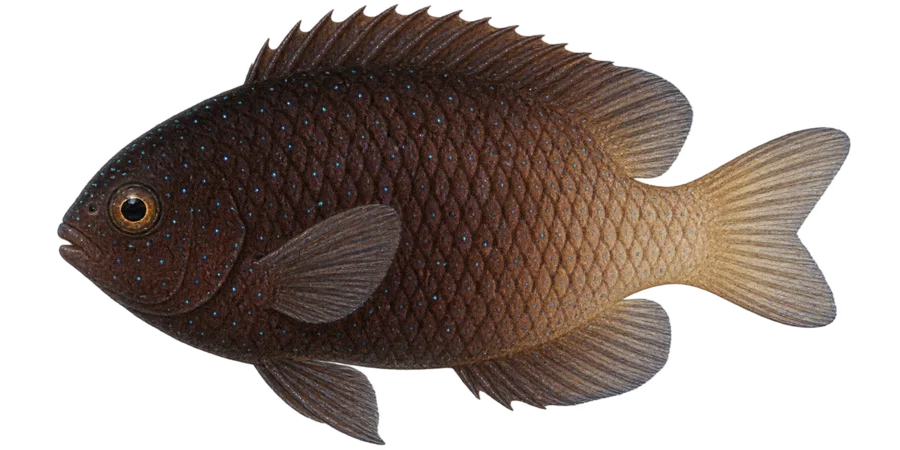
How to identify it: On its dark body, look for blue specks near the front of the back and along the spiny dorsal fin.
What to watch for: A side view in daylight shows where the dots sit, an important cue with other spotted damsels nearby.
Nasal-bar Pygmygoby
Trimma nasa · Gobiidae
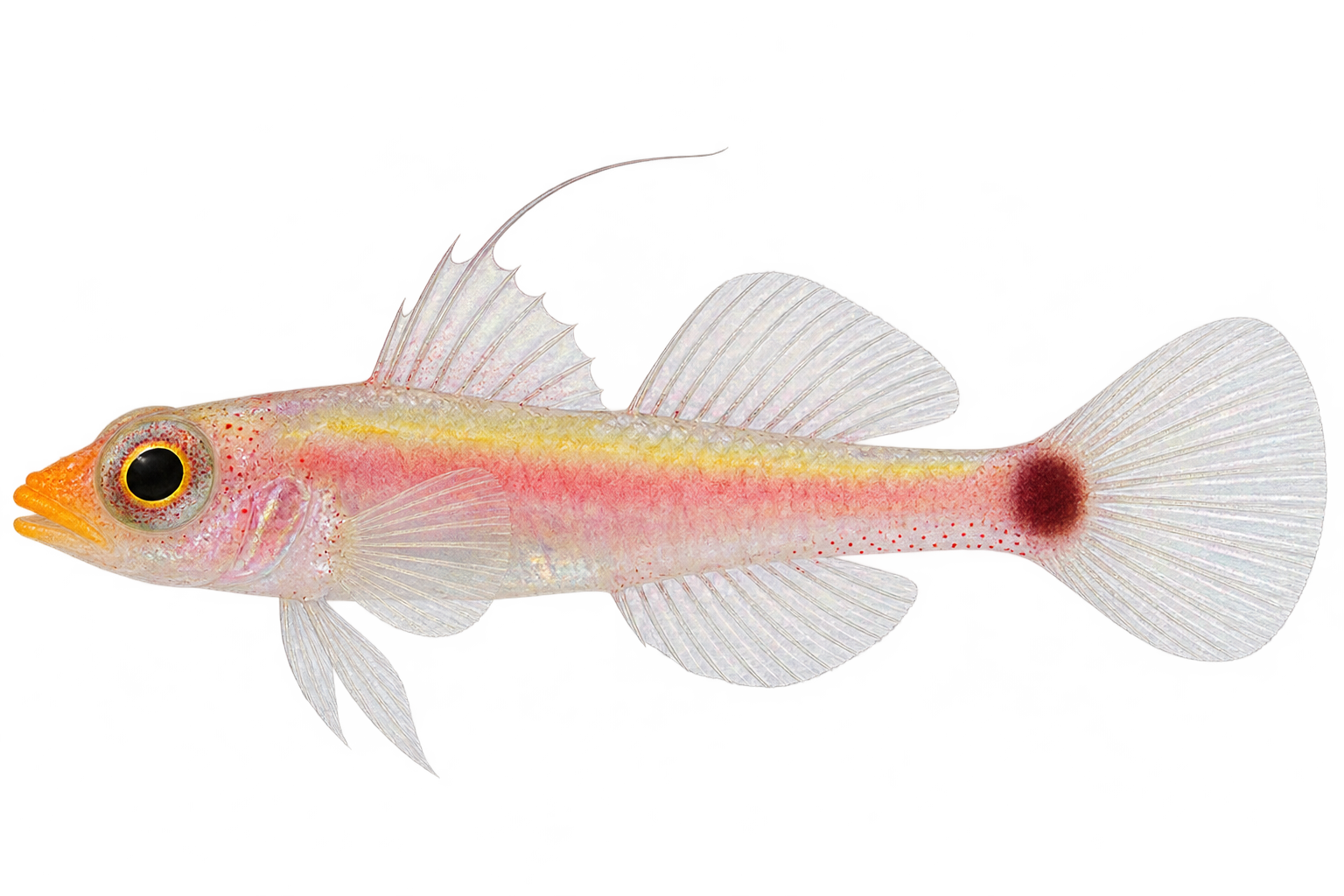
How to identify it: A dark snout stripe and large dark mark at the narrow tail base.
What to watch for: The species was described from Siquijor. Compare both ends of the fish, not only the tail blotch.
Decorated Sandgoby
Istigobius decoratus · Gobiidae
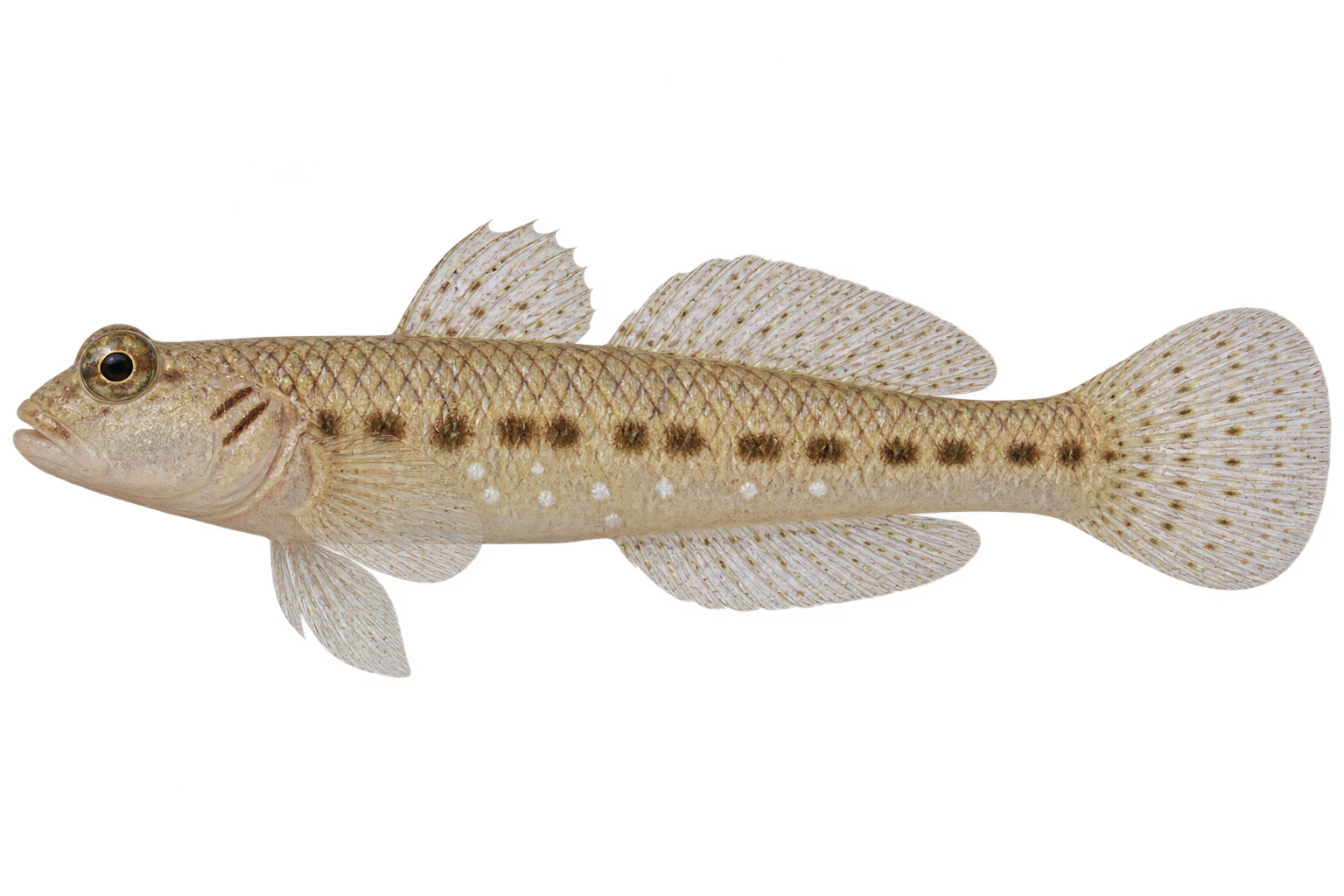
How to identify it: Dark scale edges give the back a honeycomb look; paired spots merge into rectangular flank marks.
What to watch for: Look on coralline sand in clear lagoons and on seaward reefs. Stop and let its outline become apparent.
Candycane Pygmygoby
Trimma cana · Gobiidae
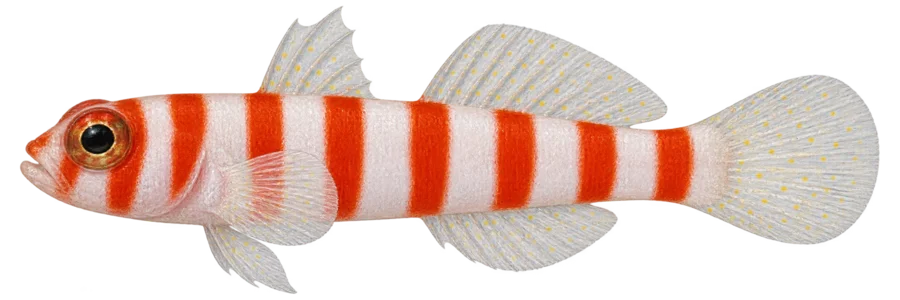
How to identify it: Red to orange vertical bands over a pale body and head, with spotted fins.
What to watch for: Specimens establish it near Siquijor. This tiny fish can be easy to miss along a reef face.
Signalfin Goby
Fusigobius signipinnis · Gobiidae
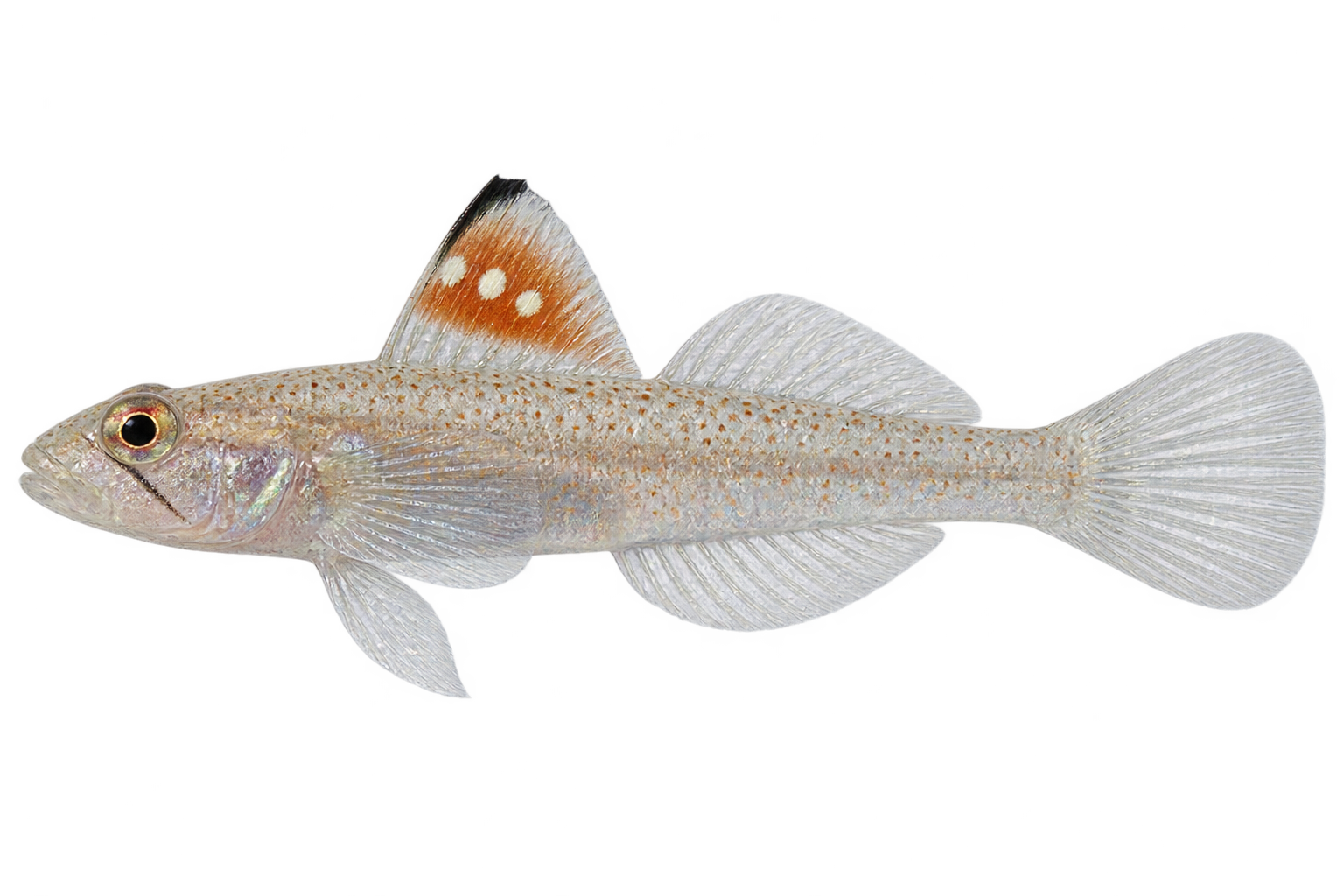
How to identify it: Look for a large black mark at the tips of the first few dorsal fin rays.
What to watch for: Look over sand and stay still so the fish can raise its fin on its own.
Big Longnose Butterflyfish
Forcipiger longirostris · Chaetodontidae
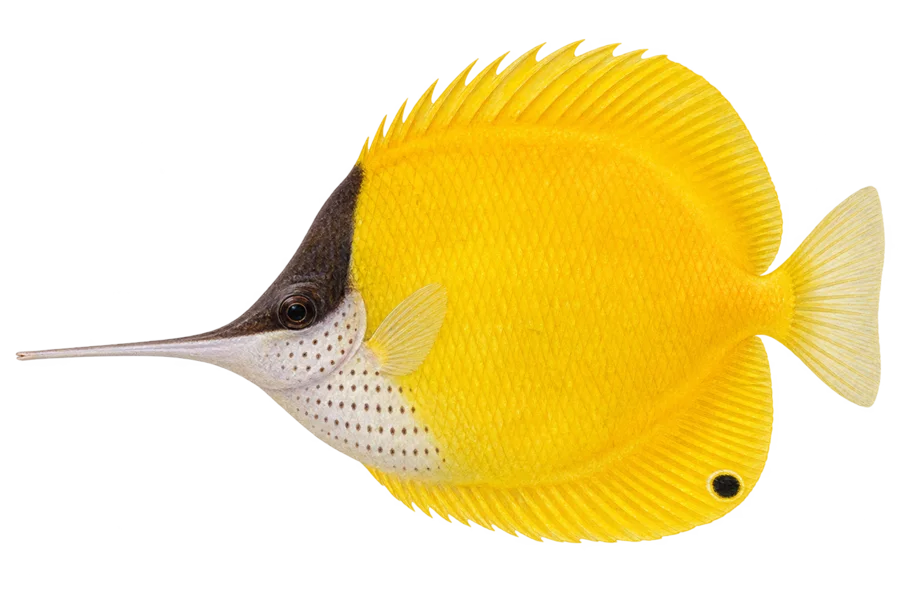
How to identify it: An exceptionally long, fine snout and dark flecks on the pale chest distinguish it from the Yellow Longnose.
What to watch for: It uses that narrow mouth to take invertebrates from branching coral and crevices.
Strawberry Hind
Cephalopholis spiloparaea · Serranidae
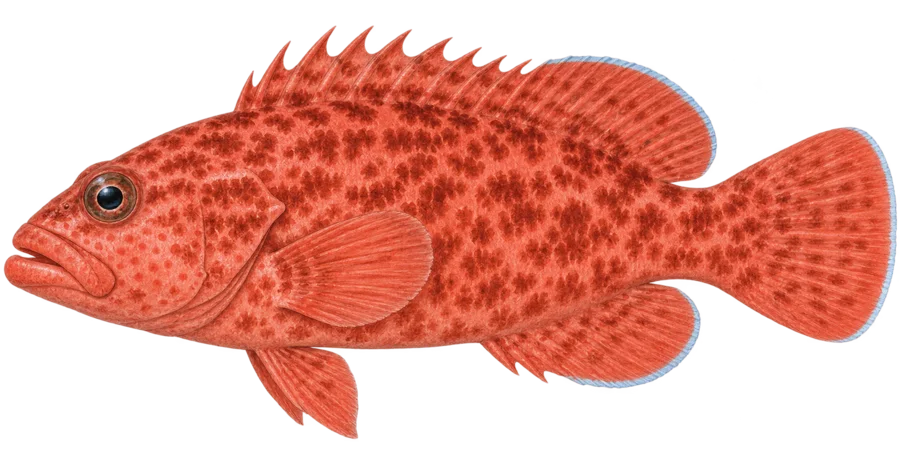
How to identify it: A reddish grouper with dark mottling and a fine blue-white edge on the rounded tail.
What to watch for: It inhabits clear reefs, often deeper than a typical recreational dive. Don’t change a dive’s limits to look for it.
Blacksaddle Filefish
Paraluteres prionurus · Monacanthidae
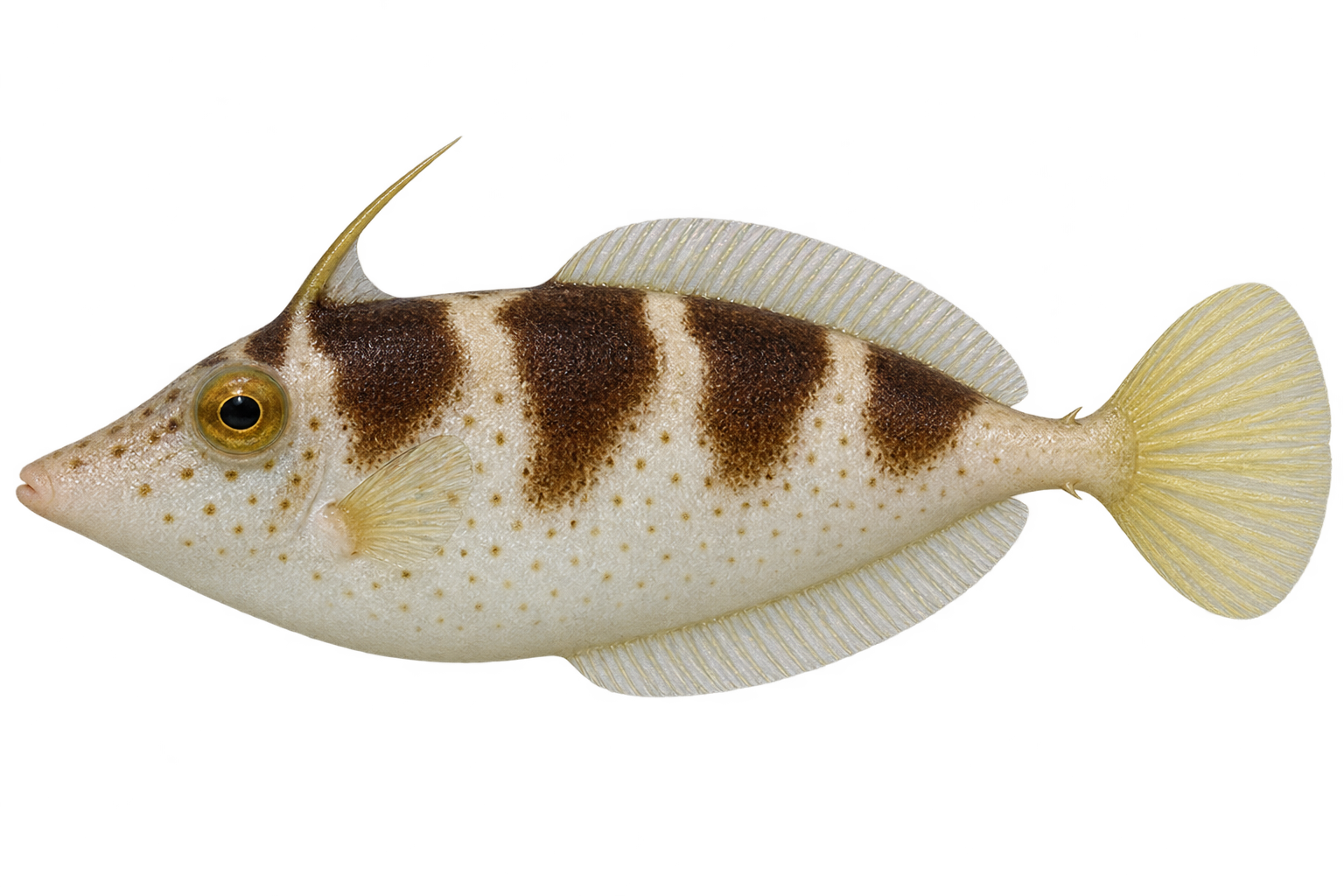
How to identify it: An erectable first dorsal spine and longer rear dorsal and anal fins distinguish this mimic from a Blacksaddle Toby.
What to watch for: Check the outline of the fins rather than relying on the saddle pattern alone.
Yano’s Dwarfgoby
Trimma yanoi · Gobiidae
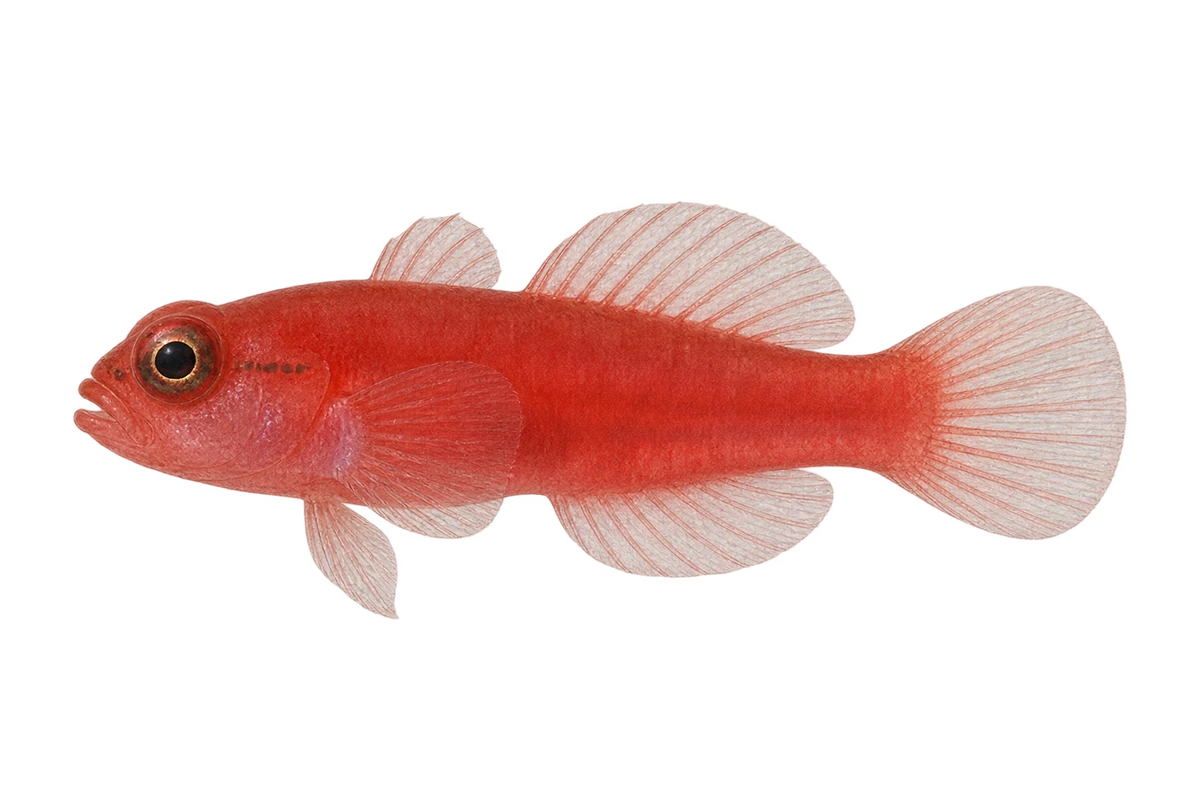
How to identify it: Translucent deep red in life; it may show a broken dark mark above the gill cover.
What to watch for: Look at crevice edges. Scale details matter for a reliable ID among similar pygmygobies.
Brick Soldierfish
Myripristis amaena · Holocentridae
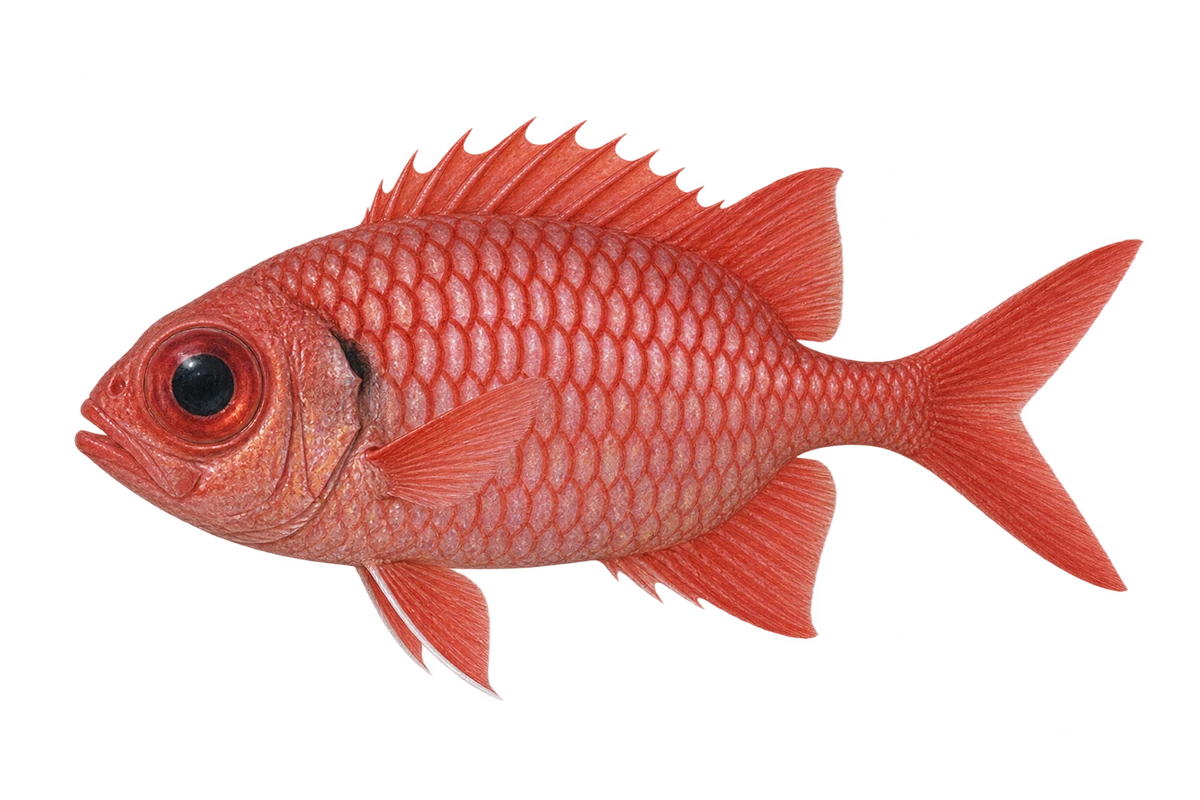
How to identify it: A red, large-scaled fish with a dark patch behind its gill cover and red fins without prominent pale edges.
What to watch for: It’s nocturnal and shelters beneath ledges or in caves by day. Wait at the outside of its cover.
Scissortail Sergeant
Abudefduf sexfasciatus · Pomacentridae
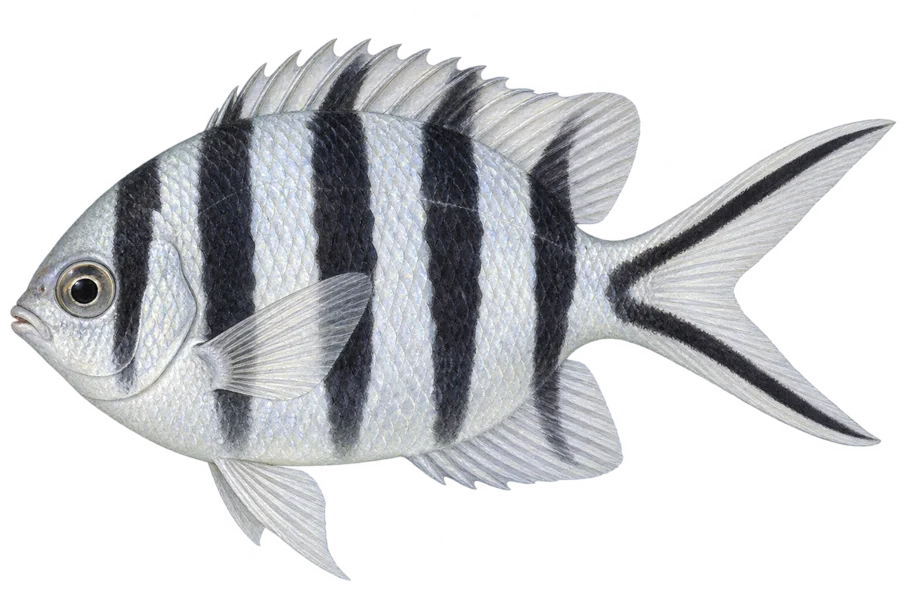
How to identify it: Five narrow bars on the side; look for a dark stripe on each lobe of the forked tail.
What to watch for: A turning fish among loose groups over coral gives a good view of the distinctive tail.
Keep exploring with Stuart Scuba
Philippines group dive trip · International Group Dive Travel · SDI Reef Fish Identification · Underwater Photography
Gear, group travel & local charters


Follow Stuart Scuba

YouTube