


White Encrusting Zoanthid
Palythoa caribaeorum · Sphenopidae · Encrusting zoanthid · Cayman Islands Fish ID
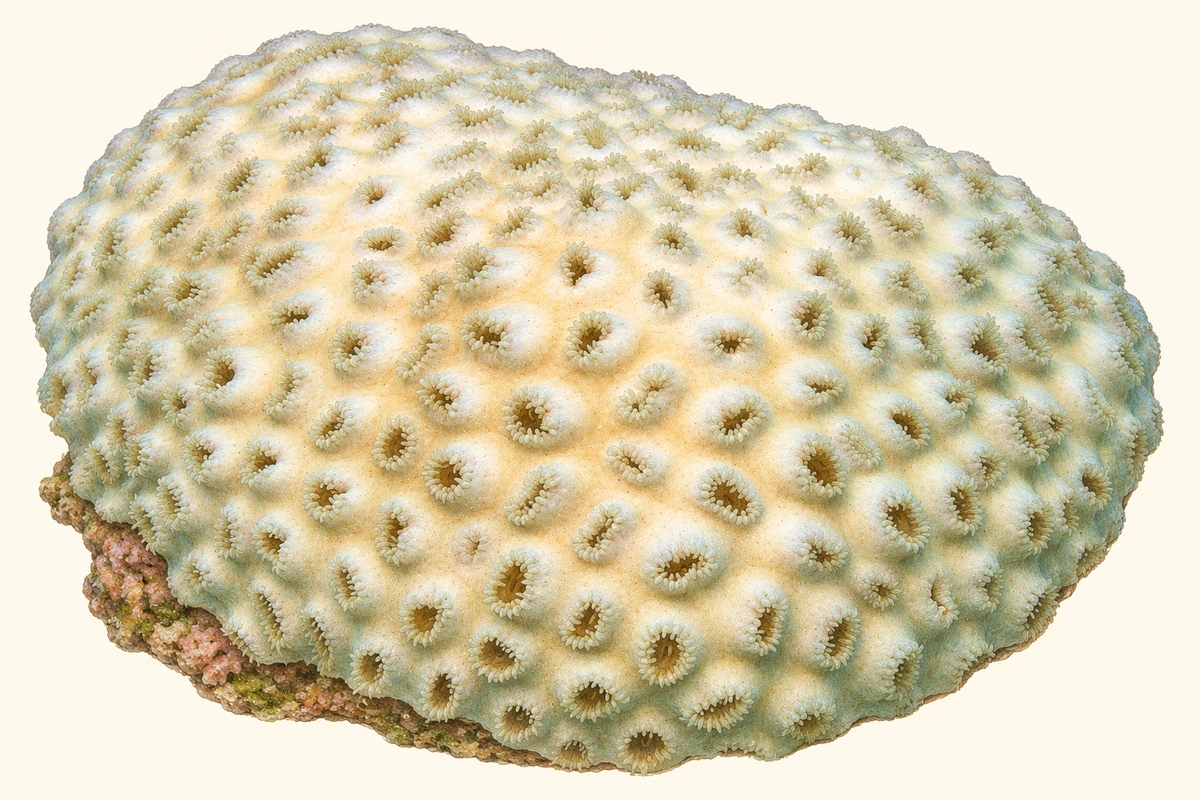
How to identify it
What looks like a layer of pale fabric is a colony of tiny animals. Look for tightly packed flowerlike discs across a connected mat hugging the rock. Give it room and skip the urge to touch.
Other mat-forming zoanthids can look similar. Check the connected tissue and polyp size, and don't make a species call from a patch of pale color.
Learn to observe reefs without touching
SDI Coral Conservation is the place to start if you want to learn about coral habitats and how to observe them responsibly.
These are zoanthids, relatives of corals. Look at the pattern of the polyps and how the colony spreads without handling it or the surface it grows on.
- Keep your fins and camera clear: Advanced Buoyancy Control focuses on trim, weighting and hovering.
- Build a broader skill set: Advanced Adventure introduces several specialties, including deep diving and navigation, with opportunities to refine buoyancy.
- For deeper recreational dives already in your plans: Deep Diver focuses on planning depth and managing breathing gas. It’s not needed to identify coral on a shallow dive.
- Record the details: Underwater Photography covers lighting and still-image composition. Underwater Video covers framing and steady footage. Use either without resting gear on the reef.
Cayman Islands records
Grand Cayman (firsthand photo; dive site and date not specified).
A documented record does not guarantee an encounter on your dive.
Fun facts
- Each little disc is one polyp in a much bigger colony, not a seed or pore.
- The name says white, but documented colonies range from light gray to brown.
- Microscopic partner algae live inside the colony’s tissues.
- Part of a colony can split away as a cluster of polyps and grow as a clone.
- In St. Croix, researchers watched the growing mats compete with neighboring reef animals for space.
- Sea mat is another name you might hear. This is an observe-only animal: never handle or scrape the colony.
See more on your next dive
Photograph the whole patch and a few open polyps, without brushing it or standing on the rock.




