


Giant False Limpet
Siphonaria gigas · Siphonariidae · Shelled · Galápagos Islands Fish ID
How to identify it
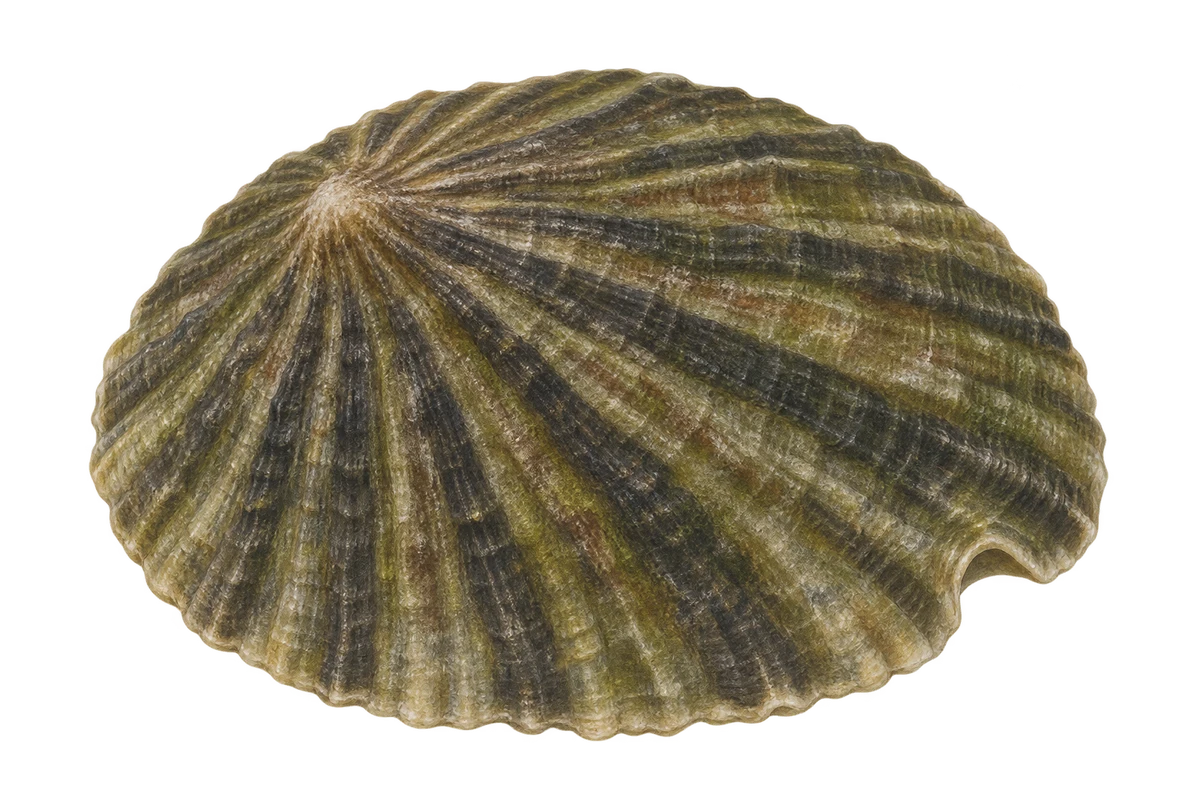
Look for a sturdy cap on wave-washed rock, often in a fissure. The apex is solid. You may see a small asymmetry at the shell edge, but not the opening through the apex that marks a keyhole limpet.
Don’t confuse it with keyhole limpets. The solid apex and one-sided shell-edge groove are better clues than a shared cap shape.
Galápagos Islands records
Documented Galápagos record: Galápagos archipelago, historical type series of the synonym Siphonaria characteristica; no named collection island supplied. This does not guarantee a present-day sighting. A record does not guarantee a sighting.
Fun facts
- Despite its cap-shaped shell, it is an air-breathing snail and not a true limpet.
- Galápagos museum records include the type series of the old name Siphonaria characteristica.
- Many individuals in a Panama field study lived in rock fissures rather than exposed flat surfaces.
- In that study, a surprising number rested side by side in pairs.
- Each animal can return to a home scar where the shell edge fits the rock.
- It grazes on rocky shores, and the same individual produces both eggs and sperm.
Explore and learn
Explore rocky-shore and reef habitats with Marine Ecosystems Awareness · Explore Stuart Scuba’s worldwide group dive trips




