


Porous Sea Rod
Pseudoplexaura porosa · Plexauridae · Sea Rod · Cayman Islands Fish ID
How to identify it
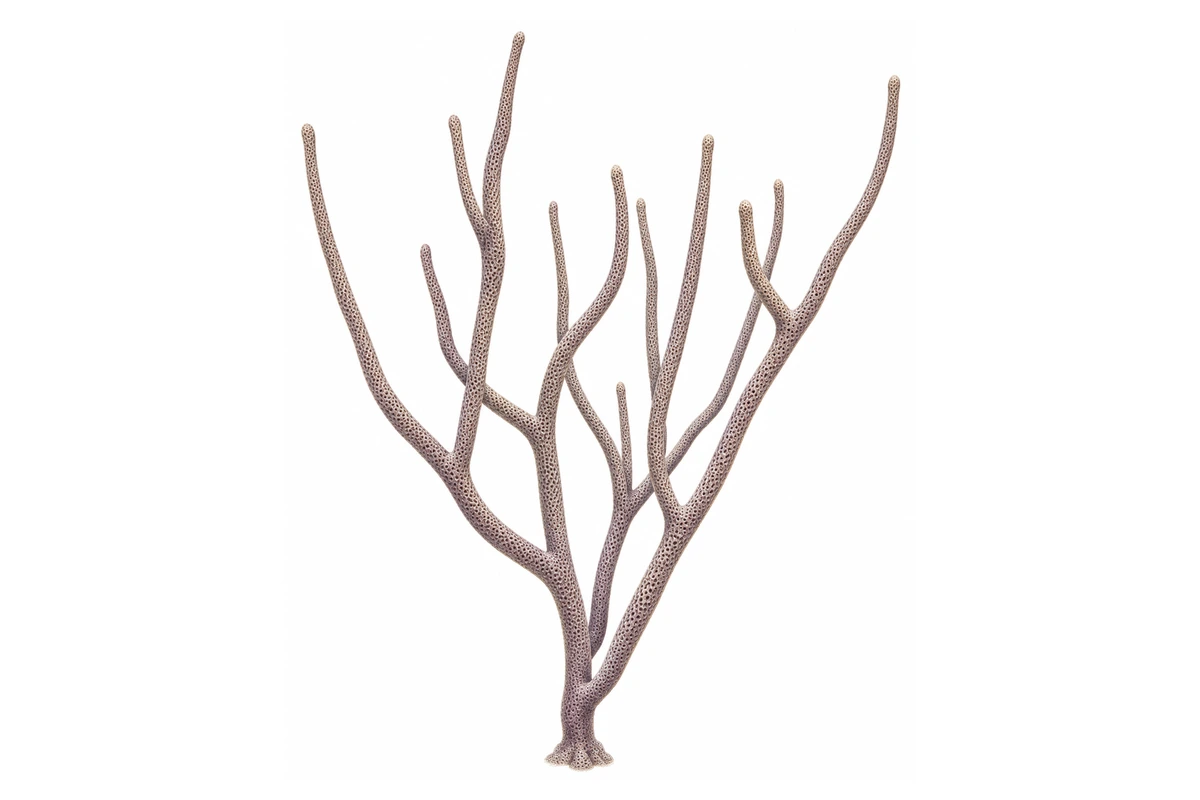
This sea rod looks more like a three-dimensional bush than a fan. On a close branch photo, look for large oval openings crowded together, not little raised cups.
The name porous sea rod can be used for more than one related species. Compare the shape and spacing of the openings and the round, crowded branches rather than relying on color.
Learn to observe reefs without touching
SDI Coral Conservation is the place to start if you want to learn about coral habitats and how to observe them responsibly.
Look at the way the colony branches and how it moves in the current. Choose a viewing angle that lets you stay clear of its branches.
- Keep your fins and camera clear: Advanced Buoyancy Control focuses on trim, weighting and hovering.
- Build a broader skill set: Advanced Adventure introduces several specialties, including deep diving and navigation, with opportunities to refine buoyancy.
- For deeper recreational dives already in your plans: Deep Diver focuses on planning depth and managing breathing gas. It’s not needed to identify coral on a shallow dive.
- Record the details: Underwater Photography covers lighting and still-image composition. Underwater Video covers framing and steady footage. Use either without resting gear on the reef.
Cayman Islands records
A reef community study listed Porous Sea Rod among living octocorals of the Cayman Islands. The record is regional and does not pin it to one site on your itinerary.
A documented record does not guarantee an encounter on your dive.
Fun facts
- The branches crowd upward in several directions, not in one flat plane.
- The oval openings can sit closer together than the width of one opening.
- A close view can show the openings following a loose spiral.
- The round branches can bend rather than looking like rigid coral twigs.
- Living colonies can appear gray-brown, purple or greenish-yellow.
- The polyp openings are not on raised cups.




