


Venus Sea Fan
Gorgonia flabellum · Gorgoniidae · Sea Fan · Cayman Islands Fish ID
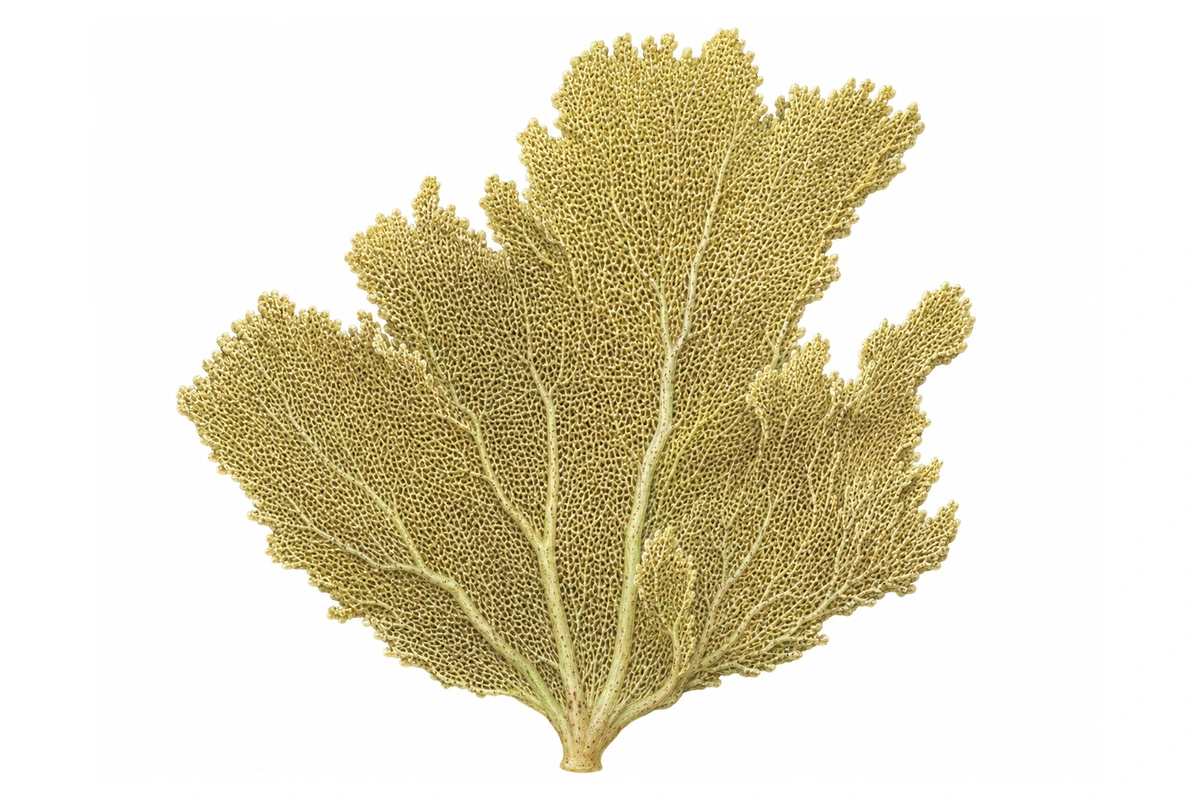
How to identify it
From the front, a Venus Sea Fan looks like a wide net. A slightly angled view may show the thin cross-branches edge-on. Their orientation, not the purple or yellow color, helps separate it from other fans.
The Common Sea Fan, Gorgonia ventalina, makes a similar single-plane net. Its small branches tend to be round or flattened along the plane of the fan, not at right angles to it.
Learn to observe reefs without touching
SDI Coral Conservation is the place to start if you want to learn about coral habitats and how to observe them responsibly.
Look at the way the colony branches and how it moves in the current. Choose a viewing angle that lets you stay clear of its branches.
- Keep your fins and camera clear: Advanced Buoyancy Control focuses on trim, weighting and hovering.
- Build a broader skill set: Advanced Adventure introduces several specialties, including deep diving and navigation, with opportunities to refine buoyancy.
- For deeper recreational dives already in your plans: Deep Diver focuses on planning depth and managing breathing gas. It’s not needed to identify coral on a shallow dive.
- Record the details: Underwater Photography covers lighting and still-image composition. Underwater Video covers framing and steady footage. Use either without resting gear on the reef.
Cayman Islands records
A Cayman Islands reef study documented Venus Sea Fan in the island group’s living octocoral communities. It did not establish a current sighting at one particular dive site.
A documented record does not guarantee an encounter on your dive.
Fun facts
- A large fan can spread to about three feet across.
- The fan grows mainly in one plane rather than forming a feathery bush.
- The small connecting branches are flattened across the plane of the fan, a clue an angled photo can show.
- Tiny polyp openings occur chiefly along the sides of those small branches.
- Despite the name purple sea fan, the living colony can also look yellow, gray or lavender.
- Fans tend to grow across the flow, with their broad side facing moving water.




