


Giant Pavona
Pavona gigantea · Agariciidae · Colonial coral · Galápagos Islands Fish ID
How to identify it
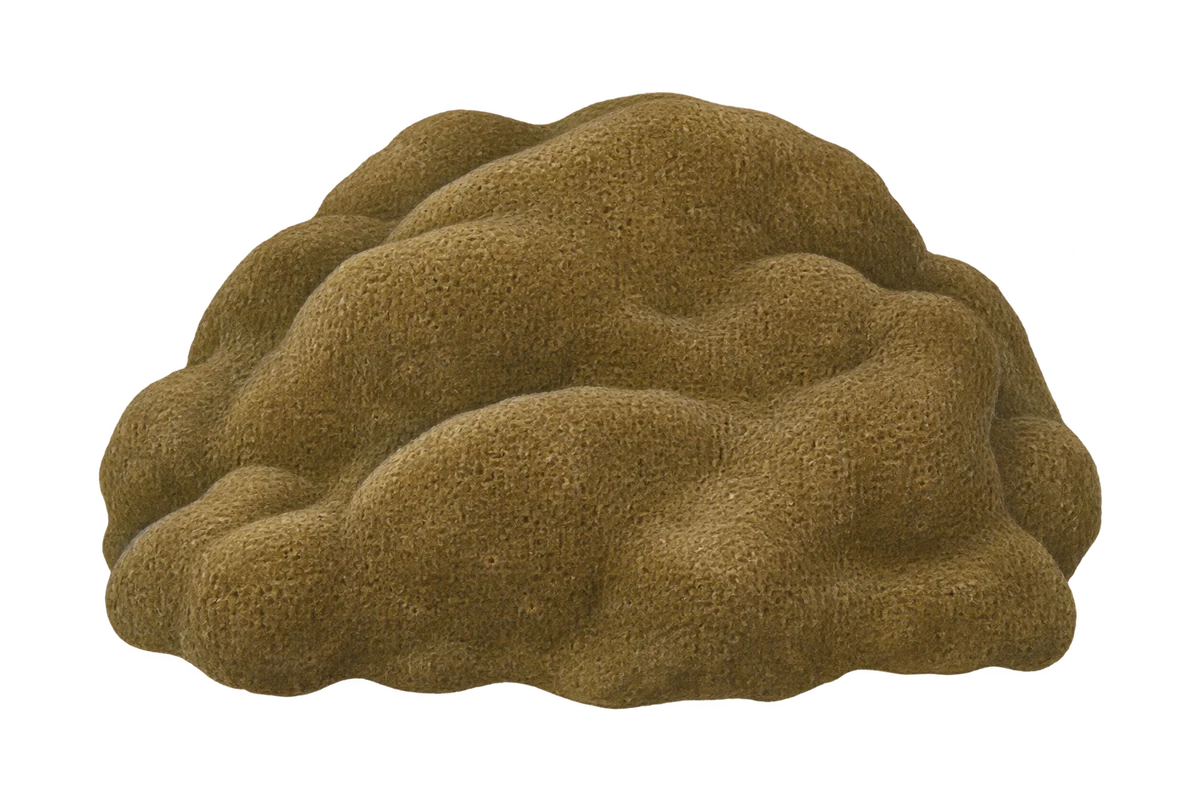
On the rocky reef, a sizeable rounded or lobed colony is a reason to take a closer look, not a species ID. The Galápagos survey team documented giant Pavona on Darwin and in large colonies on Wolf.
Other Pavona make mounds, including the shoulder-blade coral. Get photos of the whole colony and its tiny polyp cups; extension of tentacles changes the surface appearance.
Learn to observe reefs without touching
SDI Coral Conservation is the place to start if you want to learn about coral habitats and how to observe them responsibly.
Start with the colony’s outline and the pattern of its coral cups. Look from a position where you can keep your fins and camera clear of the colony.
- Keep your fins and camera clear: Advanced Buoyancy Control focuses on trim, weighting and hovering.
- Build a broader skill set: Advanced Adventure introduces several specialties, including deep diving and navigation, with opportunities to refine buoyancy.
- For deeper recreational dives already in your plans: Deep Diver focuses on planning depth and managing breathing gas. It’s not needed to identify coral on a shallow dive.
- Record the details: Underwater Photography covers lighting and still-image composition. Underwater Video covers framing and steady footage. Use either without resting gear on the reef.
Galápagos Islands records
Documented Galápagos record: Wellington Reef, Darwin Island. A record does not guarantee a sighting.
Fun facts
- Its accepted specific name gigantea reflects the large colonies it can form.
- The Galápagos expedition found it among large mounding and lobate colonies on the eastern side of Wolf.
- It was one of two dominant named Pavona corals reported at the Baltra survey station.
- Researchers documented it among the coral community on Wellington Reef off Darwin Island.
- In the Galápagos monitoring manual, the very same close comparison looks different when this species extends versus retracts its tentacles.
- The genus includes sheetlike forms such as Pavona varians; this regional growth comparison helps narrow, but does not establish, an ID.




