


Bipinnate Sea Plume
Antillogorgia bipinnata · Gorgoniidae · Colonial coral · Cayman Islands Fish ID
How to identify it
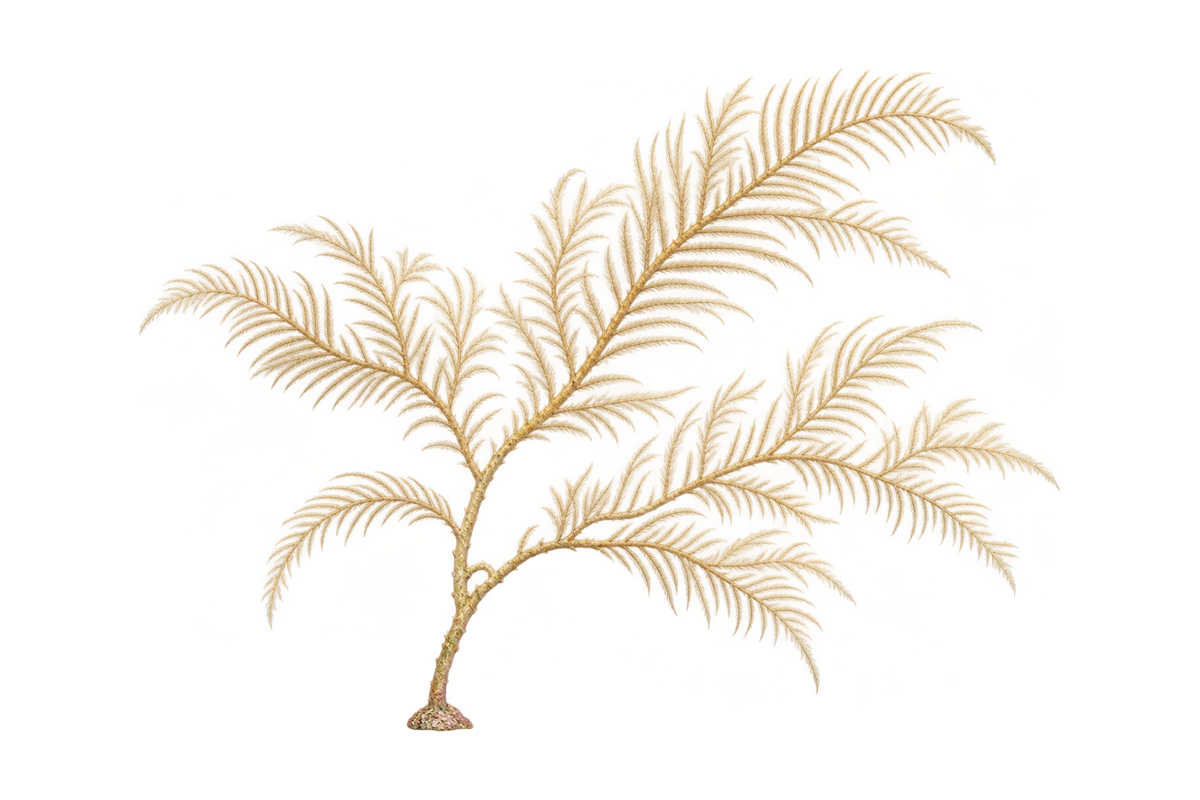
On a Cayman wall, the feather-shaped outline is the first clue. Follow a branch out from the stem and see how some branches carry their own smaller paired branches.
Other Caribbean sea plumes overlap in shape and color. A broad photo is a field suggestion, not always proof; exact separation can require close study of skeletal elements.
Learn to observe reefs without touching
SDI Coral Conservation is the place to start if you want to learn about coral habitats and how to observe them responsibly.
Look at the way the colony branches and how it moves in the current. Choose a viewing angle that lets you stay clear of its branches.
- Keep your fins and camera clear: Advanced Buoyancy Control focuses on trim, weighting and hovering.
- Build a broader skill set: Advanced Adventure introduces several specialties, including deep diving and navigation, with opportunities to refine buoyancy.
- For deeper recreational dives already in your plans: Deep Diver focuses on planning depth and managing breathing gas. It’s not needed to identify coral on a shallow dive.
- Record the details: Underwater Photography covers lighting and still-image composition. Underwater Video covers framing and steady footage. Use either without resting gear on the reef.
Cayman Islands records
Grand Cayman; also The Great Wall, Little Cayman
A documented record does not guarantee an encounter on your dive.
Fun facts
- It has been photographed in Grand Cayman and on Little Cayman’s Great Wall.
- The feathered shape is made by regularly spaced small paired branches.
- Some little branchlets branch again, adding a second level to the feather pattern.
- Small slit-like polyp openings sit along the branchlets.
- Research found different growth forms across depth, so a single silhouette cannot capture every colony.
- It is a colony of animals, not an underwater plant.




