


Low Lettuce Coral
Agaricia humilis · Agariciidae · Stony coral · Cayman Islands Fish ID
How to identify it
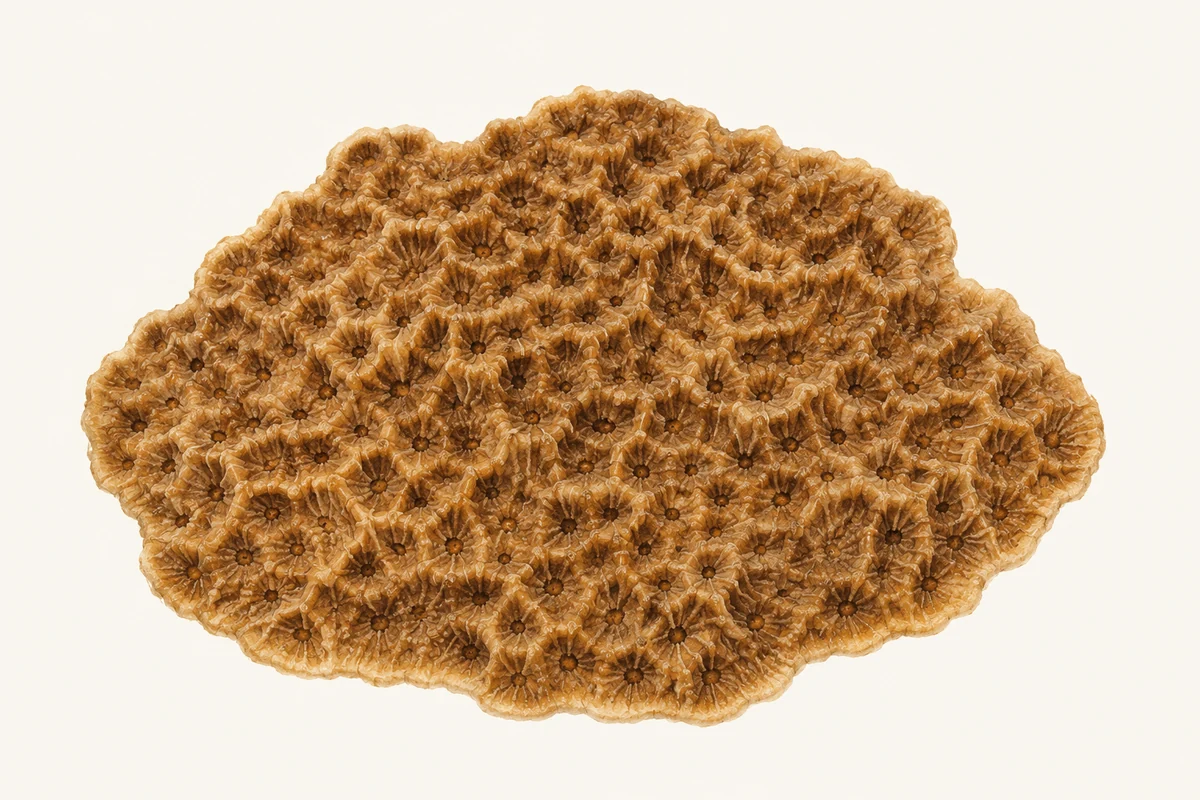
This lettuce coral usually stays close to the rock. Look for deeply recessed centers in short runs divided by uneven ridges rather than concentrating on the colony’s color.
Agaricia agaricites can begin as a crust too, but mature colonies often make ruffled fronds. Check the deep little centers and irregular ridges before naming a low colony.
Learn to observe reefs without touching
SDI Coral Conservation is the place to start if you want to learn about coral habitats and how to observe them responsibly.
Start with the colony’s outline and the pattern of its coral cups. Look from a position where you can keep your fins and camera clear of the colony.
- Keep your fins and camera clear: Advanced Buoyancy Control focuses on trim, weighting and hovering.
- Build a broader skill set: Advanced Adventure introduces several specialties, including deep diving and navigation, with opportunities to refine buoyancy.
- For deeper recreational dives already in your plans: Deep Diver focuses on planning depth and managing breathing gas. It’s not needed to identify coral on a shallow dive.
- Record the details: Underwater Photography covers lighting and still-image composition. Underwater Video covers framing and steady footage. Use either without resting gear on the reef.
Cayman Islands records
The George Town Harbour survey documented living colonies at Soto’s Reef and the Balboa reefs. That is a historical record, not a forecast of current reef conditions.
A documented record does not guarantee an encounter on your dive.
Fun facts
- It typically remains a crust or a low mound rather than raising tall plates.
- Some centers sit alone; others line up in groups of two or three.
- The walls between centers wander and change height.
- The skeletal spokes alternate between long and short.
- Some colonies show green centers against a brown or tan surface.
- The species has been reported from a range of reef settings, but not typically from shallow lagoons.
See more on your next dive
Take a wide photo for the low colony shape and a second close view for its ridges.




